


You’re not the only one who has been woken up at 3 AM by a cat that wouldn’t stop talking. A lot of cat owners have to deal with their cats meowing at night, pacing around the house, acting restless, or asking for attention when everyone else is sleeping. Even though this behavior can be annoying (especially when you have to work in the morning!), the good news is that there are real reasons for it and ways to fix it.

The complete cat-care shelf — from choosing your cat to lifelong mastery.
See What's Inside →This guide will help you figure out why your pet becomes a nighttime opera singer and what you can do to make bedtime peaceful and quiet again.
🐾 Why Do Cats Meow at Night?
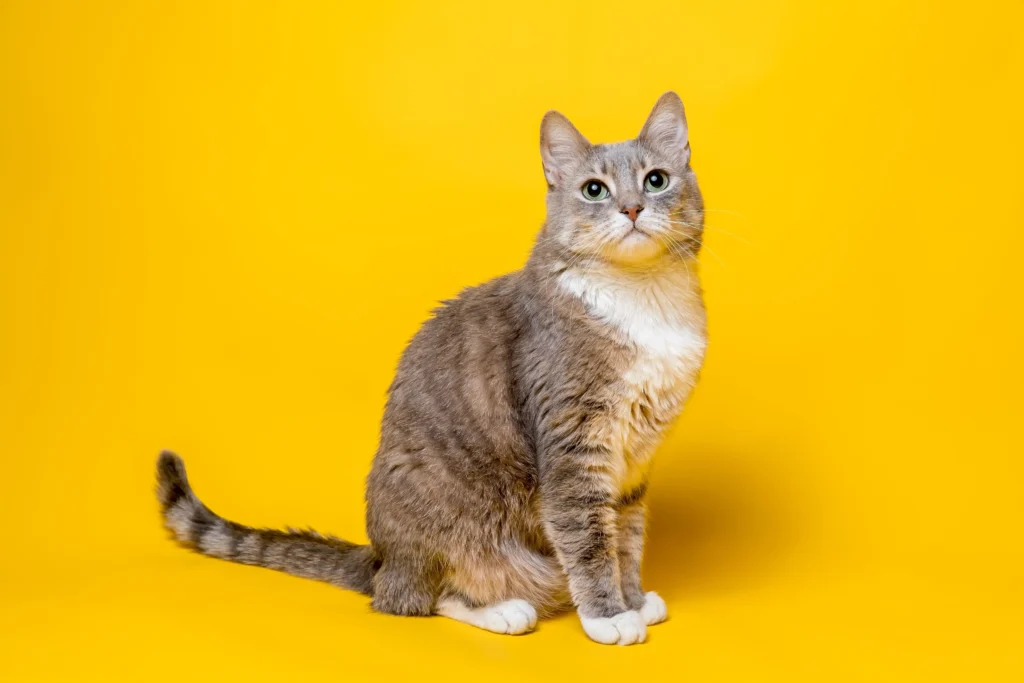
Cats are known for being independent, but when they make noise at night, it usually means something needs to be fixed, whether it’s physical, emotional, or environmental.
The most common reasons are:
1. Cats are naturally crepuscular
Cats are most active at dawn and dusk, but not always when people are awake. Even though house cats sleep a lot, their bodies still want them to go on adventures at night.
What this means for you:
Your cat might just be doing what comes naturally, like exploring, hunting for imaginary prey, or trying to wake you up for “fun.”
2. Problems with hunger or feeding schedule
If a cat goes to bed hungry or thinks breakfast will be ready soon, meowing at night is a reminder: “Human. Now. Food.”
Even indoor cats hunt for food in small amounts throughout the day.
Things that show this is the problem:
There's a calmer way — one library that answers it all. See it for yourself.
Explore the Library →- Meowing gets louder around meal times
- Scratching the food bowl or pantry
- Getting you up before dawn
3. Too much energy and boredom
Indoor cats sleep a lot during the day, so they’re full of energy at night.
Hints:
- Zoomies at night
- Scratching furniture to get attention
- Bringing toys to bed and meowing
4. Behavior that Gets Attention

Cats learn quickly that meowing gets a response, even if that response is “Go back to sleep!”
Your response shows them that meowing at night means they want attention, food, play, or cuddles.
5. Separation Anxiety
When the house is quiet and dark, some cats feel unsafe.
A lot in:
- Cats that have just been adopted
- Ex-strays
- Kittens without parents
- Older cats
They might cry, scratch at doors, or refuse to calm down unless you’re close by.
6. Health Problems
Crying at night can mean discomfort or pain, such as:
- Problems with the thyroid
- High blood pressure
- Kidney illness
- Cognitive dysfunction, particularly in senior felines
- Decline in vision or hearing
- Arthritis
If your cat starts meowing a lot or it gets worse all of a sudden, you should take it to the vet.
7. Things in the environment that set things off
Cats pay attention to everything. They can wake up to sounds outside, a stray cat in the yard, or a moth on the ceiling.
For example:
- Chirping birds in the early morning
- Cats from the neighborhood walking by windows
- New pets or people living with you
8. Issues with the litter box
A dirty litter box makes your cat unhappy.
They might cry to say, “This bathroom is not okay!”
Some common reasons are:
- Not cleaning the box every day
- Incorrect type of litter
- Box too small or blocked
- Put in a place that is stressful, like next to loud appliances
9. Getting older and losing brain function
Older cats can get confused, anxious, and disoriented at night.
Some signs may be:
- Crying loudly
- Wandering
- Looking lost inside
- Changing how you sleep
💤 Why Cats Meow More at Night Than During the Day

Because:
✔ There is less stimulation
✔ Everyone is asleep
✔ Hunger makes you want to hunt in the morning
✔ Anxiety is worse in the dark
✔ It’s harder to get attention
Some cats don’t like it when the house is quiet, so they talk to fill the silence.
🌙 What to Do About Cats Meowing at Night: Good Ideas
The good news is that most causes have easy, long-lasting solutions.
✔ Step 1: Play before you go to bed
Wear them out!
Focus on games that are like hunting:
- Toys with wands
- Laser pointer (end with a toy they can “catch”)
- Treats for hide-and-seek
End with food to make it feel like a real hunt: eat, groom, and sleep.
✔ Step 2: Change the feeding schedule
Instead of eating early in the evening, move mealtime to just before bed.
You can also:
- Set up timed feeders for late-night snacks
- Give them dry food puzzle feeders to keep them busy
✔ Step 3: Don’t pay attention to meows that want your attention
This part is hard. But the behavior keeps going if you answer.
Rule:
Don’t get up if you know they’re safe, fed, and healthy.
It might get worse before it gets better for the first few nights. This is called an extinction burst. Stay strong!
✔ Step 4: Make daytime activities more fun
Cats meow more when they are bored.
Give:
- Bird watching from window ledges
- Climbing trees and scratching posts
- Changing out toys every few days
- Safe access to sunlight for warmth and sleep
✔ Step 5: Make a routine for the night
Cats do best when things are predictable.
Routine example:
- Play
- Dinner
- Grooming and cuddling
- Music that is calm or white noise
Consistency teaches you how to sleep.
✔ Step 6: Keep the litter box clean
- Scoop once or twice a day
- Change the litter and clean the box on a regular basis
✔ Step 7: Give comfort to those who are anxious

If your cat cries because they are stressed or alone:
- Keep a light on at night
- Leave the door to the bedroom open
- Put a comfortable bed near you
- Use pheromone diffusers to calm down
For cats that have just been adopted, put something that smells like you in their bed.
✔ Step 8: Block out distractions from outside
If animals outside keep you up at night:
- Close the blinds at night
- Put frosted film on the windows
- Play calming sounds to cover up other sounds
✔ Step 9: If you need to, see a veterinarian
For sure for:
- Older cats
- Changes in behavior all of a sudden
- Crying too much at night
To stop the meowing, medical problems need to be treated.
😺 Special Cases to Think About
🍼 Kittens
Kittens cry because they:
- Miss their mom and siblings
- Feel hungry often
- Need to go to the bathroom
- Are getting used to their new home
Solution: Keep their bed close, keep them warm, play with them more, and give them several small meals.
🧓 Older Cats
Older cats may have trouble with:
- Being confused
- Loss of memory
- Pain
Solution: Vet help, nightlights, and a schedule = relief.
🐈 Cats That Have Just Been Adopted
Meowing at night is usually just a normal part of getting used to things.
Solution: Give them comfort, playtime, and time to calm down.
🚫 What Not to Do
- ❌ Don’t punish the cat; it makes them more stressed and cry
- ❌ Don’t yell or spray water; it breaks trust
- ❌ Don’t change your routines too quickly
- ❌ Don’t feed them because they meow (this encourages them to do it again)
Tip: Calm consistency works best.
🏡 How to Make Your Home a Good Place for You and Your Cat to Sleep
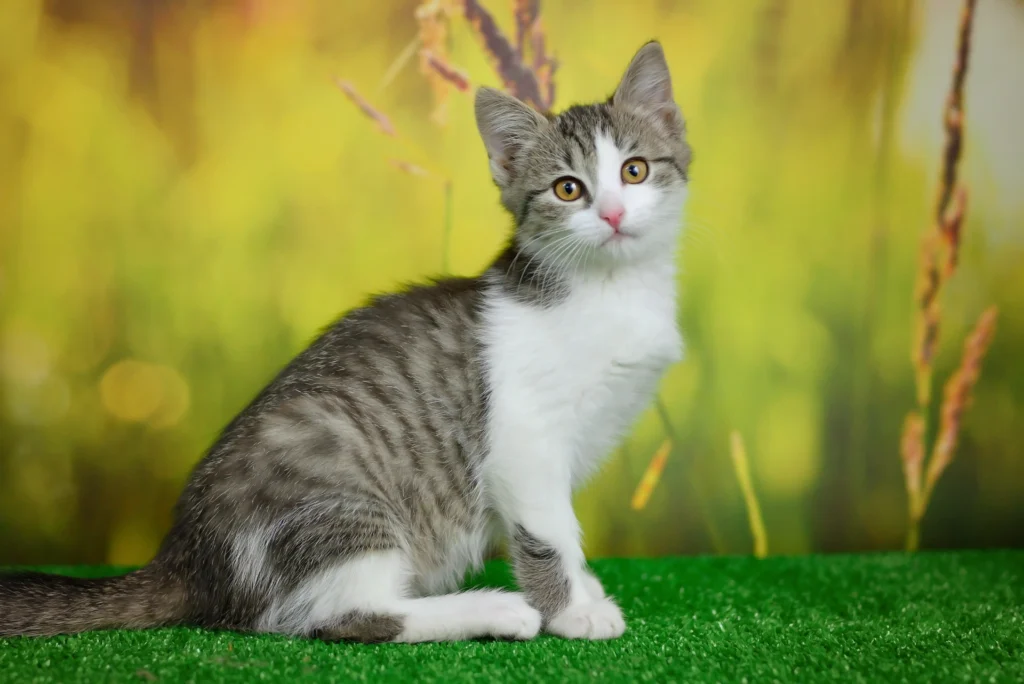
A quiet home will help both of you sleep better.
| Tip | Why It Helps |
|---|---|
| A warm, cozy place to sleep | Makes your cat want to settle down and sleep |
| White noise or quiet music | Masks outside triggers |
| Automatic feeding devices | Stop waking up in the morning |
| Routine for playing before bed | Burns energy and makes you less bored |
| Toys you can play with without your involvement | Entertainment without your presence |
🔬 What Science Says
According to research:
- When cats are uncomfortable or need something, they talk more
- Enriching the environment helps with behavior problems
- Feeding closer to bedtime helps you sleep better
- Veterinary care and a regular schedule help older cats with cognitive problems
Even though house cats are good at living with people, their instincts still affect how they sleep.
🧠 Changing Bad Habits Into Good Ones
The most important thing is to know what your cat is trying to say.
Ask yourself:
✔ Are they hungry?
✔ Are they bored?
✔ Are they worried or alone?
✔ Is there a medical problem?
✔ Did I teach them by mistake that meowing works?
Each problem has its own answer.
🐾 Examples from the Real World
⭐ “The Early Breakfaster”
Cat wakes you up at 4 AM to get food. Set a timer on the feeder to give them food 15 minutes before they usually cry.
⭐ “The Lonely Bedroom Door Scratcher”
Cat cries because they want to be close to you. Let them sleep in your room or keep the door open.
⭐ “The Midnight Zoomer”
Cat didn’t get to play enough. Play 2–3 times a day, especially before bed.
⭐ “The Elder Night Wanderer”
Older cat cries and walks around, looking lost. Vet exam, nightlights, and calming aids help.
🧘 Your Secret Weapon Is Patience

It can take 1–3 weeks to change nighttime habits. But with regularity and consistency, even the loudest nighttime meowers can get better.
Keep in mind that cats don’t meow to bother you; they do it to tell you they need something. Understanding that message is the first step to solving it.
🔄 Quick Actions Checklist
Tonight, do this:
- Play with your cat for 15 minutes to wear them out
- Give them dinner right after they play
- Clean the litter box
- Make a comfortable place to sleep
- Don’t pay attention to meowing that wants attention
- Set a timer for early morning snacks
Do this every night, and most cats will sleep through the night.
🩺 When to Call a Professional
See a vet if:
- Meowing starts or gets worse suddenly
- Accompanied by vomiting, weight loss, or changes in thirst
- Your cat seems in pain or confused
- Older cat develops new nighttime issues
Better safe than sorry.
🎉 Last Thoughts
Dealing with cats meowing at night can be tiring, but there is always a reason for it and almost always a way to fix it. Your cat is trying to tell you something important, whether it’s because of instinct, hunger, boredom, anxiety, or health problems.
You can help your furry friend calm down and have peaceful nights again by giving them structure, enrichment, comfort, care, and a little bit of time.
Because a cat that gets enough sleep means a person that gets enough sleep. 😴🐈
Get Decode Your Cat — free.
20 everyday behaviors translated, so you finally know what your cat is actually saying. Pop in your name and email and it's yours instantly.