

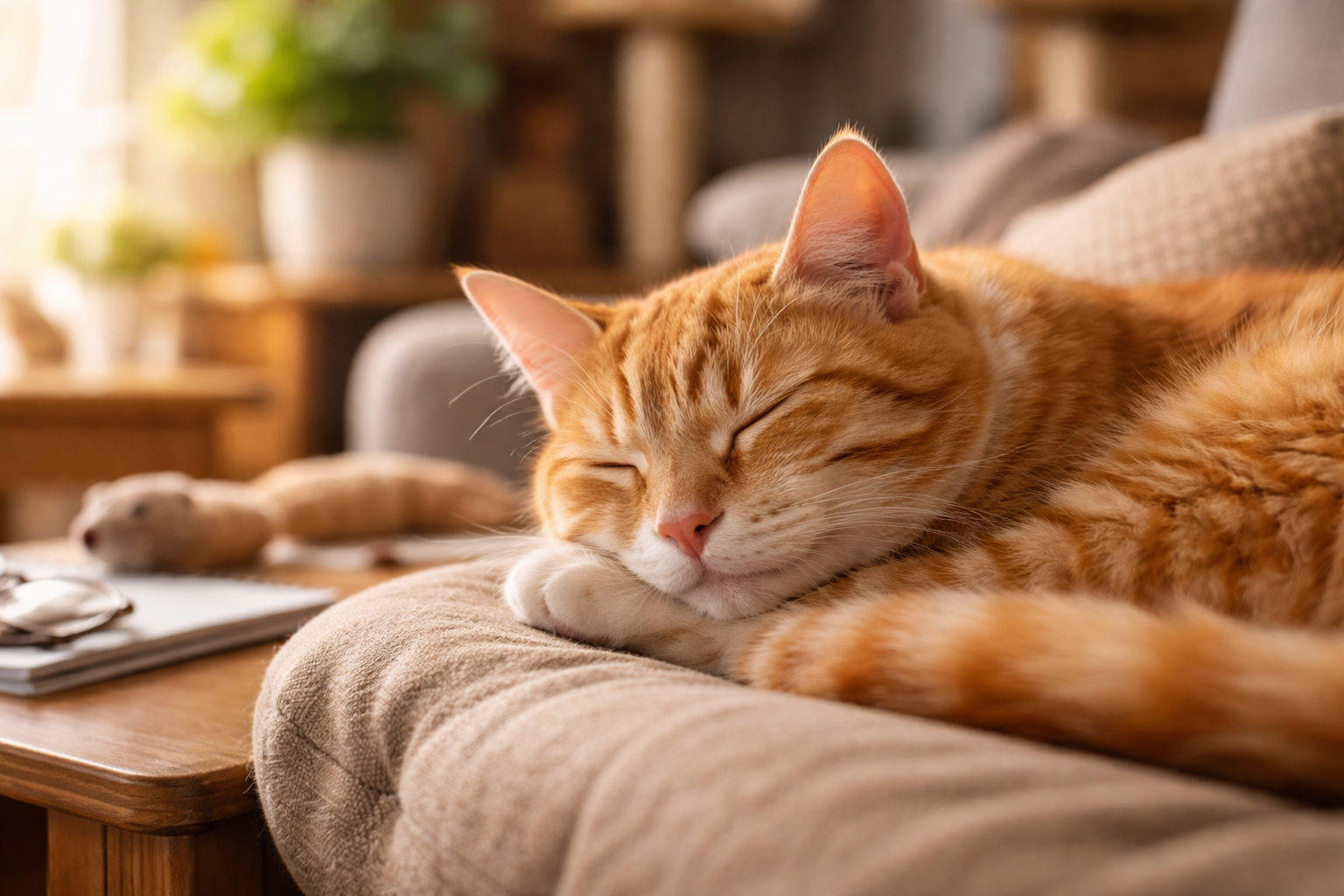
If you have a cat, you’ve probably asked yourself more than once, “Why do cats sleep so much?” When you wake up, your cat is asleep in a ball. You get home hours later, and they’re still asleep. They might be in a different place, but they clearly don’t want to do anything useful.
When you compare this behavior to that of dogs or people, it can be hard to understand. But the truth is that cats need to sleep most of the day for their biology, instincts, and long-term health.
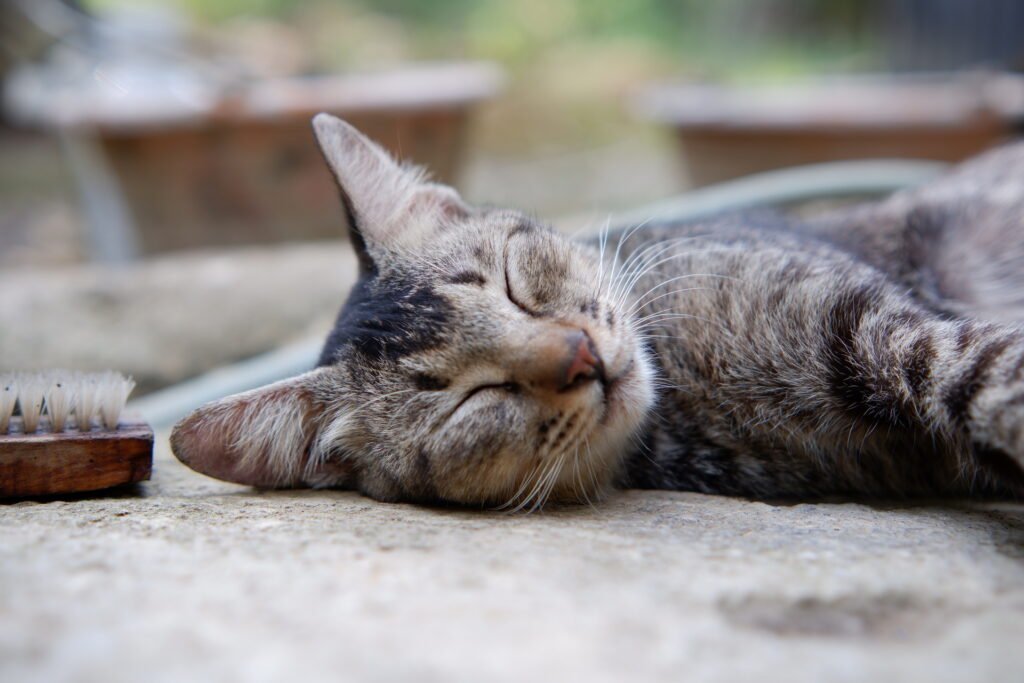
This detailed guide looks at why cats sleep so much, how much sleep is normal, what affects their sleep patterns, and when too much sleep might mean something is wrong. By the end, you’ll know how your cat’s daily routine works and be sure whether their sleeping habits are normal or need to be looked into more closely.
Getting to the Bottom of It: How Much Do Cats Really Sleep?
Before we talk about why cats sleep so much, it’s important to know how much sleep is normal.
Adult cats usually sleep between 12 and 16 hours a day, but some may sleep as much as 18 to 20 hours a day, especially kittens and older cats. That means your cat could sleep for almost two-thirds of their life.
This isn’t being lazy. It has been shaped by millions of years of evolution.
Cats don’t sleep for long periods of time like people do. Instead, they take short naps during the day and night, switching between light sleep and deeper sleep.
Sleep That Is Light vs. Sleep That Is Deep
- Light sleep: Cats stay half-awake, their ears twitch, and their muscles are ready to move.
- Deep sleep (REM): You might see whiskers twitch, paws move, or soft sounds at this time.
Cats only spend about 25% of their sleep in deep REM sleep, while humans spend much longer in this phase of sleep.
This pattern helps explain why cats need so much sleep: they sleep a lot, but not always deeply.
Evolutionary Roots: Cats Are Born to Hunt
One of the main reasons why do cats sleep so much is because of their ancestry.
Cats are obligate carnivores and ambush predators. In the wild, hunting takes:
- Explosive bursts of energy
- Extreme focus
- Quick reflexes
This way of hunting uses up a lot of calories in a short amount of time. To make up for this, cats evolved to save energy by resting as much as they could between hunts.
Your indoor cat doesn’t need to hunt to stay alive, but their body still follows this old plan.
Sleep as a Way to Save Energy
Imagine your cat as a top-level athlete who only competes for a short time each day. Sleep lets them:
- Give muscles a break
- Keep reflexes sharp
- Save energy for possible threats or chances
This explains why cats sleep so much during the day, especially after they eat or play.
Why Cats Are Active at Dawn and Dusk: Their Crepuscular Nature
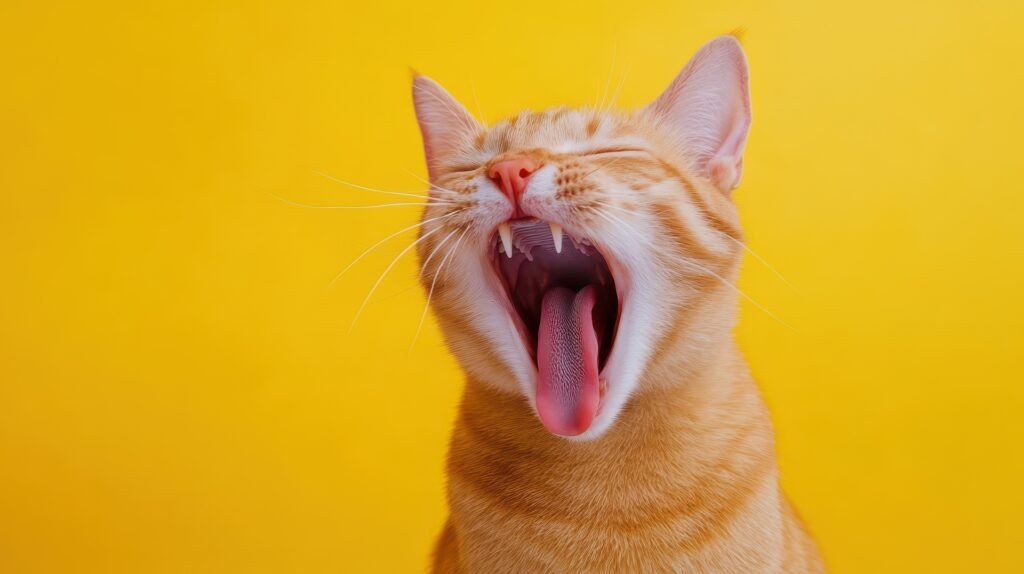
Another important thing to know is that cats are not nocturnal; they are crepuscular.
This means that they are most active during:
- Early morning (dawn)
- Early evening (dusk)
These times are best for hunting in the wild because prey animals are active but the light levels still give them some cover.
Because of this beat:
- Cats sleep more during the day.
- Cats may seem restless at night or in the early morning.
If you’ve ever been woken up at 5 a.m. by a cat that wanted to eat or play, you know what this instinct is like.
So, if you’re wondering “why do cats sleep so much during the day?” the answer is simple: it’s how their bodies work.
Why Do Indoor Cats Sleep So Much?
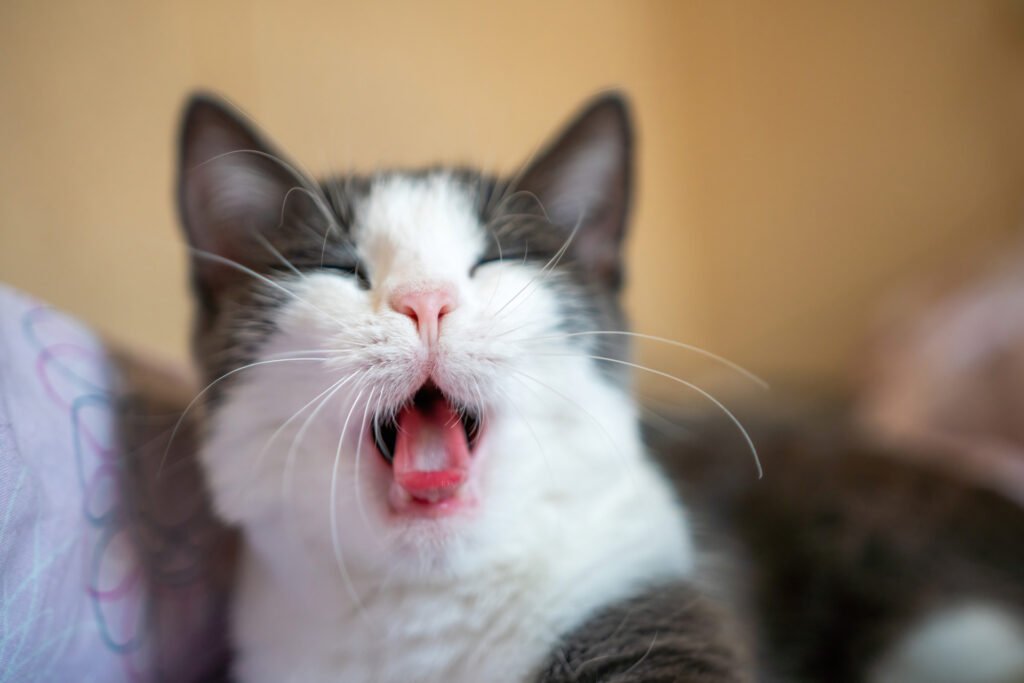
A lot of pet owners say that indoor cats seem to sleep more than outdoor cats. This observation is correct and normal.
Less Stimulation
Indoor cats usually have to deal with:
- Less chance to hunt
- Less variety in the environment
- Very little physical danger
Sleep naturally gets longer when there are fewer reasons to stay awake.
Comfort and Temperature
The following are indoor environments:
- Warm
- Quiet
- Safe
Cats are very sensitive to temperature and like to keep warm. They can stay warm while they sleep without using up energy.
This explains why indoor cats sleep so much more than outdoor cats, who have to be on the lookout all the time.
Age Matters: A Cat’s Sleep Needs Change as They Get Older
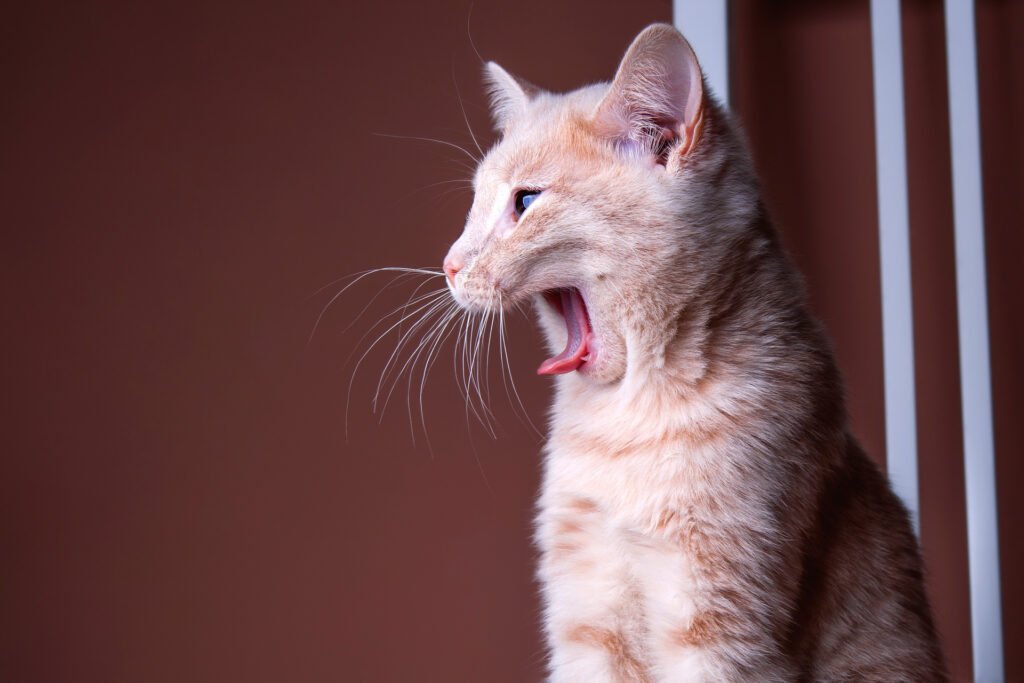
Kittens: They Need to Rest to Grow
Kittens can sleep for up to 20 hours a day. This is because sleep helps:
- Developing the brain
- Growing muscles
- Maturing the immune system
This is a healthy pattern if your kitten sleeps most of the day and plays hard when it is awake.
Adult Cats: Sleep and Activity in Balance
Most healthy adult cats sleep between 12 and 16 hours a day, depending on:
- Breed
- Level of activity
- Environment
Older Cats: Slowing Down on Their Own
As cats get older, they may sleep for longer periods of time again because:
- Less energy
- Stiff joints
- Changes in metabolism
It’s normal for older cats to sleep more, but you should still keep an eye on any changes in behavior.
How Diet Affects Cat Sleep
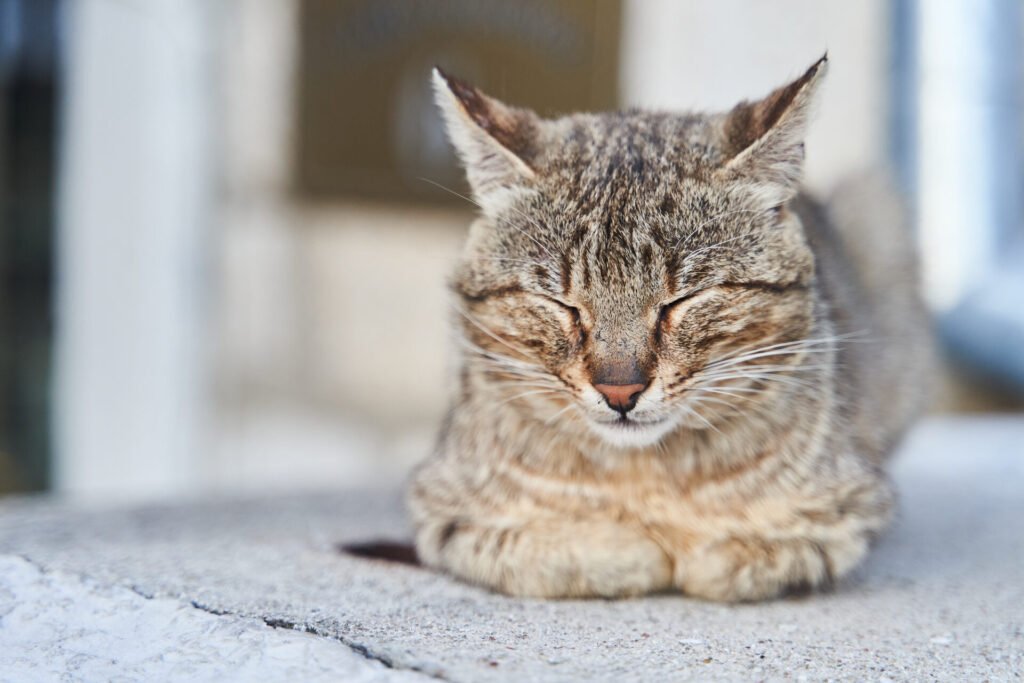
You might not think that what and how your cat eats can affect how well they sleep.
High-Protein Diets and Sleep
Cats do well on diets high in protein. Their body goes into digestion mode after they eat, which helps them rest.
If you eat a lot, you might take longer naps, especially if you feel warm and comfortable afterward.
Feeding Schedules Are Important
Cats that are fed on a regular schedule often:
- Get more sleep between meals
- Be more active around meal times
This routine helps them sleep and wake up at the same times every day.
Biological Rhythms and Hormones
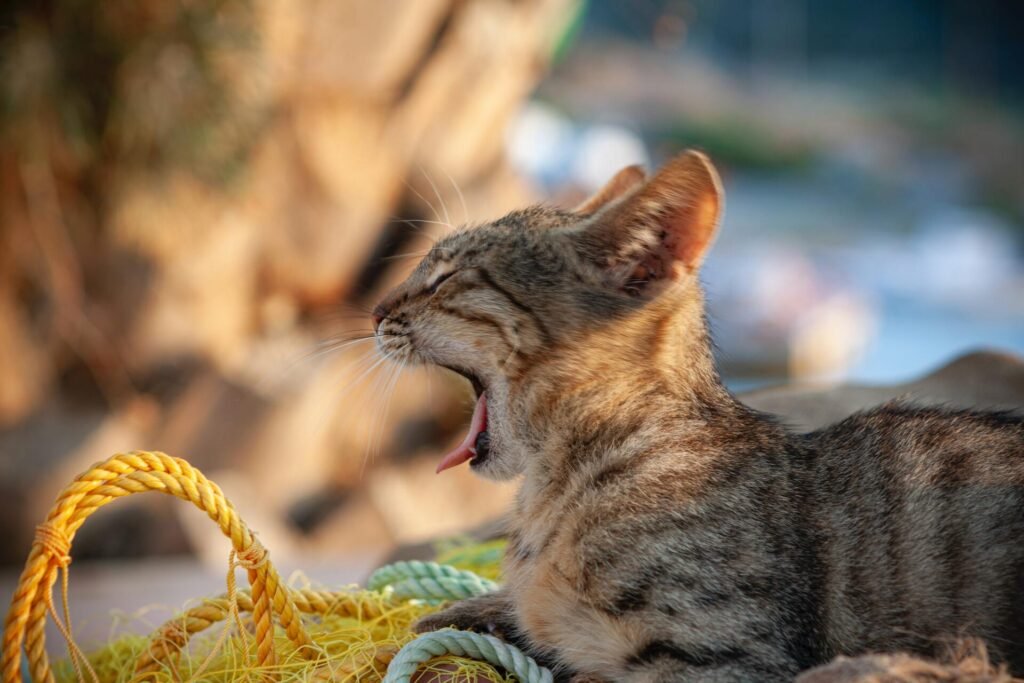
Internal hormones and circadian rhythms have a big effect on cats.
Melatonin and Sleep
Cats, like people, make melatonin, a hormone that controls sleep. Light exposure is one factor, which is why:
- Darker places make it easier to sleep
- Changes in the seasons may affect how long you sleep
Neutering and Sleep
Cats that have been spayed or neutered may sleep more because of:
- Less desire to roam around
- Less behavior driven by hormones
This change is normal and usually good for your health.
Boredom and Mental Stimulation
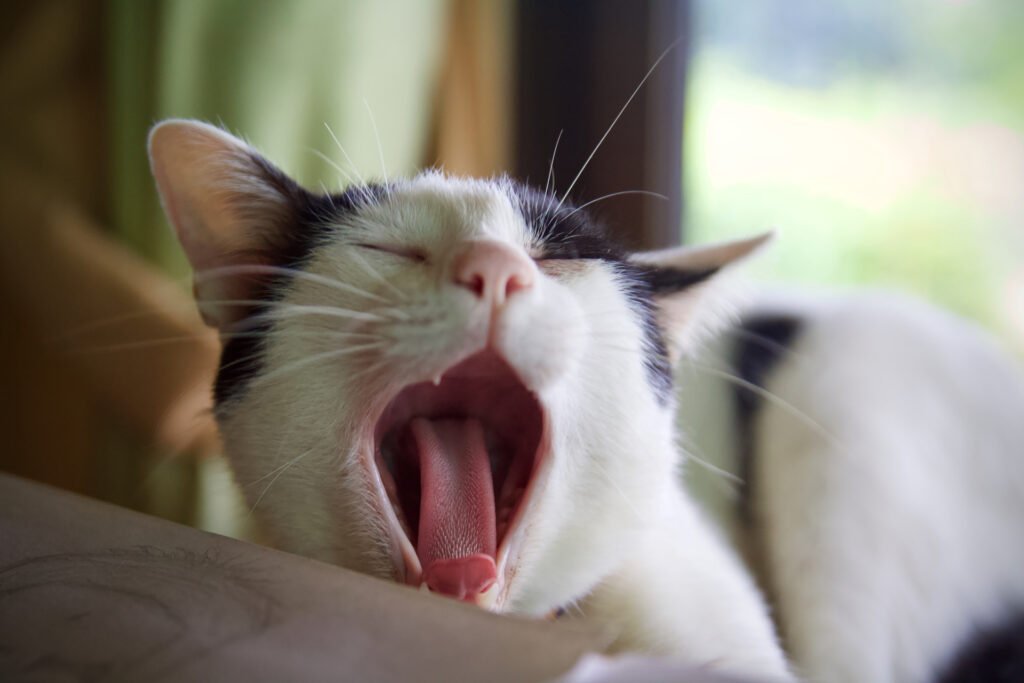
Sometimes, the answer to the question “Why do cats sleep so much?” is simple: they are bored.
Cats that don’t get enough mental stimulation may sleep more to pass the time.
Signs That Sleep Might Be Related to Boredom
- Not very interested in toys
- Not very interactive
- Goes to sleep right after waking up
Sleep itself isn’t bad for you, but keeping your mind active is good for your health in the long run.
Promoting Healthy Behavior
- Playtime for a short time every day
- Changing toys
- Access to windows for visual stimulation
These strategies don’t cut down on sleep a lot, but they do make it better and help with mental health.
Is It Normal for Cats to Sleep After They Eat?
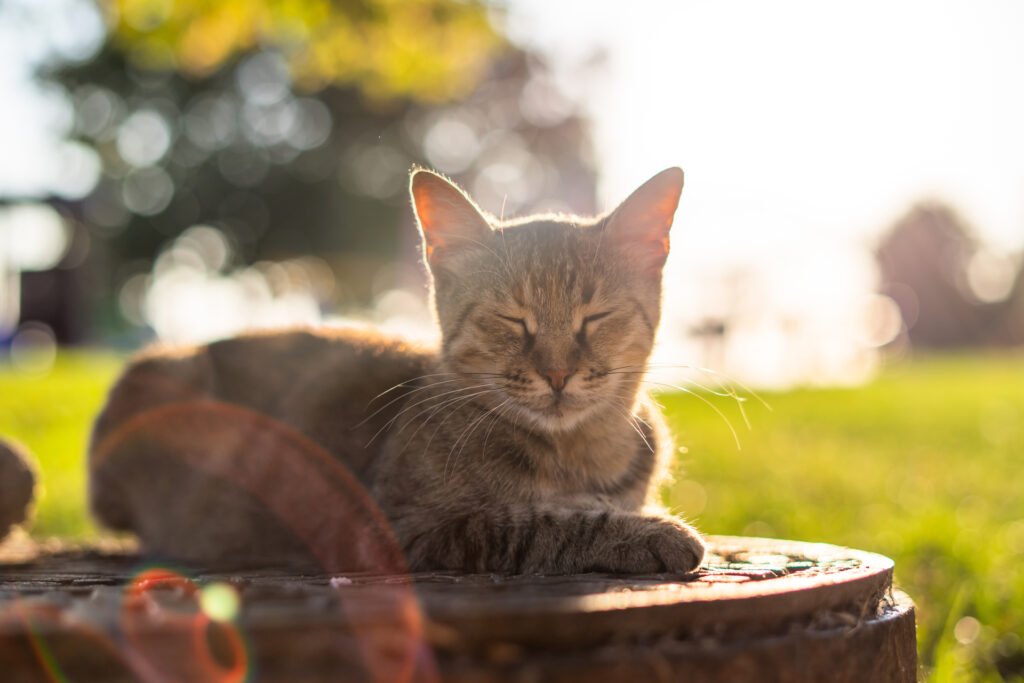
Yes, this behavior is very strong.
After a successful hunt in the wild, cats would eat and then rest to let their food digest and get better. The same thing happens with house cats.
This sleep after a meal helps with:
- Getting nutrients into the body
- Saving energy
- Reducing stress
So, if your cat eats and then curls up right away, that’s normal.
When Too Much Sleep Could Be a Problem
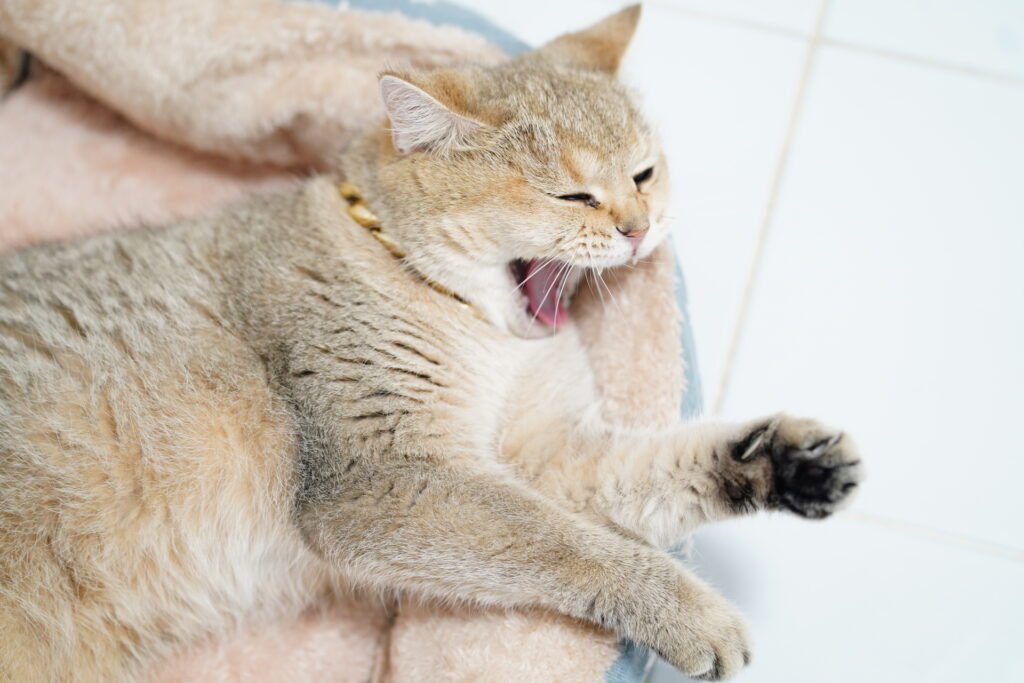
Most of the time, sleep is good for you, but there are times when too much sleep could mean something is wrong.
Signs to Look Out For
- Sleep longer than usual all of a sudden
- Hard to wake your cat
- Not wanting to eat
- Gaining or losing weight
- Changes in how you groom yourself
If your pet’s sleep patterns change along with their behavior, you should see a vet.
Possible Health Reasons
- Infections
- Problems with the thyroid
- Diabetes
- Pain or arthritis
- Stress or depression
The change in sleep is what matters most, not the sleep itself.
Stress, Anxiety, and Sleep
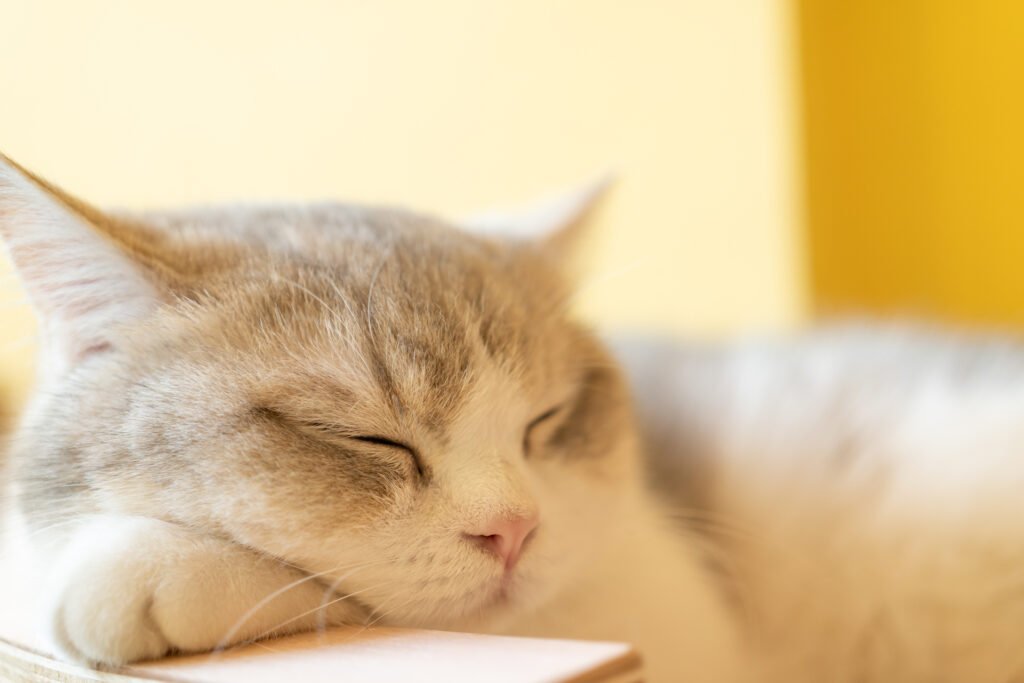
Cats are very sensitive. Stress can have a big effect on how well they sleep.
Things That Commonly Cause Stress
- New pets or people
- Moving to a new place
- Changes in your daily life
- Loud or messy places
Some cats sleep more to deal with stress, while others may sleep less. It’s important to know what kind of person your cat is.
Differences in Sleep Patterns by Breed
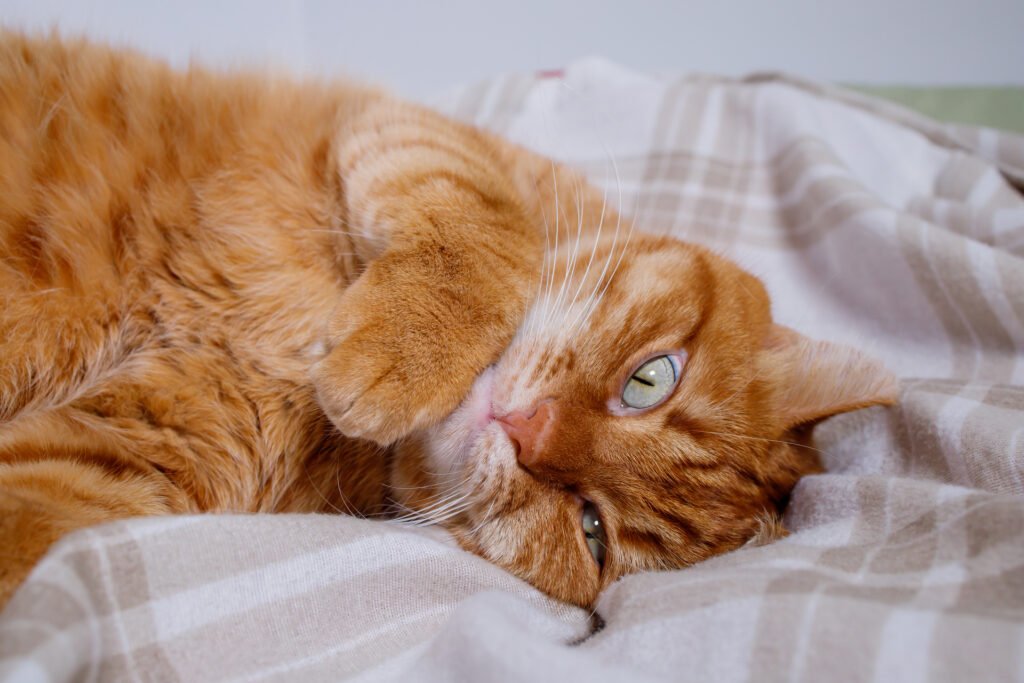
Some types of cats are naturally more calm than others.
- Persians and Ragdolls are known for taking long, peaceful naps.
- Bengals and Abyssinians are more active and sleep less.
Breed alone doesn’t decide how much sleep a dog needs, but it can affect how much energy they have.
Do Cats Sleep More Than Other Animals?
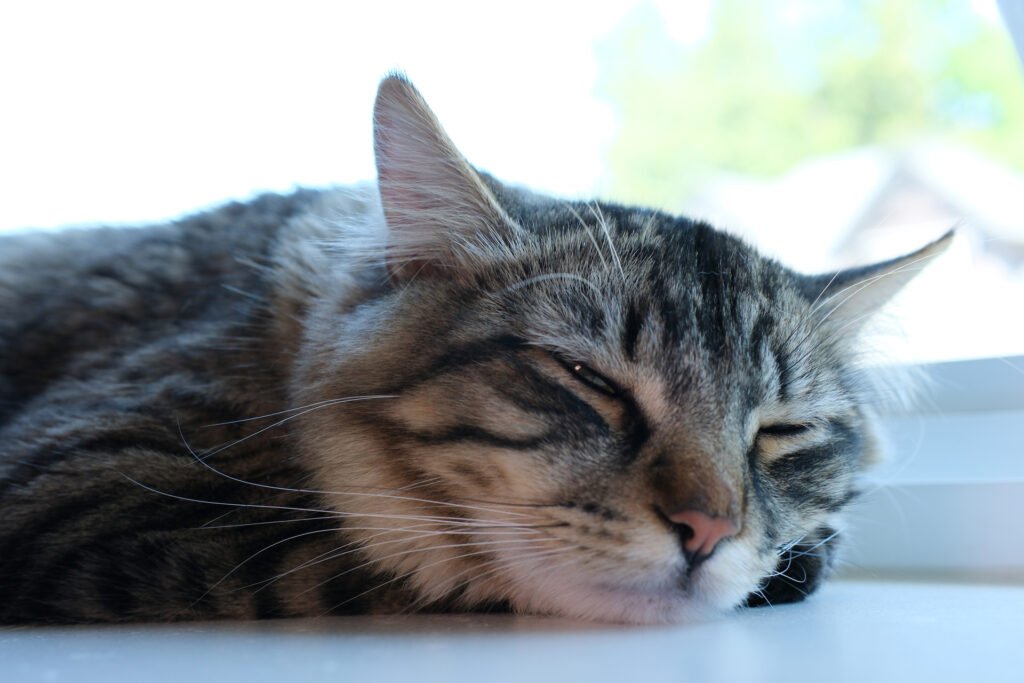
Cats are some of the best sleepers, even better than most other mammals.
- Cats: 12–20 hours
- Dogs: 10–14 hours
- Humans: 7–9 hours
This backs up the idea that sleep is not a sign of weakness; it’s a way to stay alive.
Why Do Cats Sleep in Weird Ways?
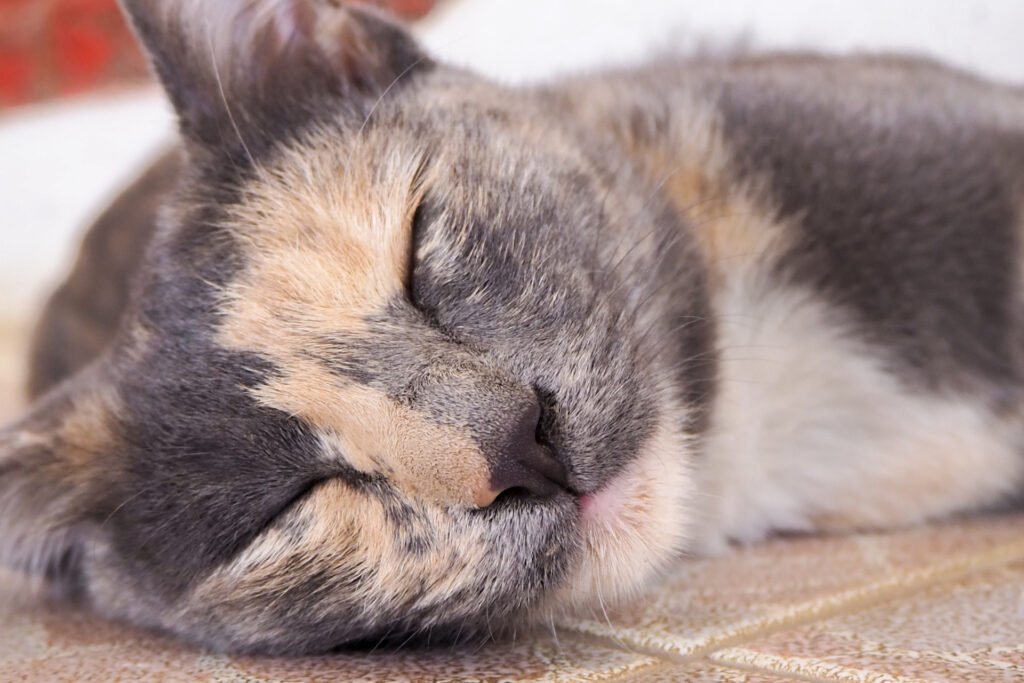
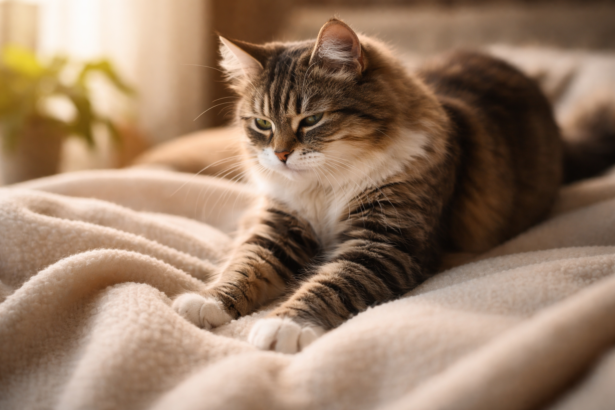
Cats choose how to sleep based on how they want to curl up, stretch out, show their belly, or fit into small spaces.
- Control of body temperature
- Feeling safe
- Relaxation of muscles
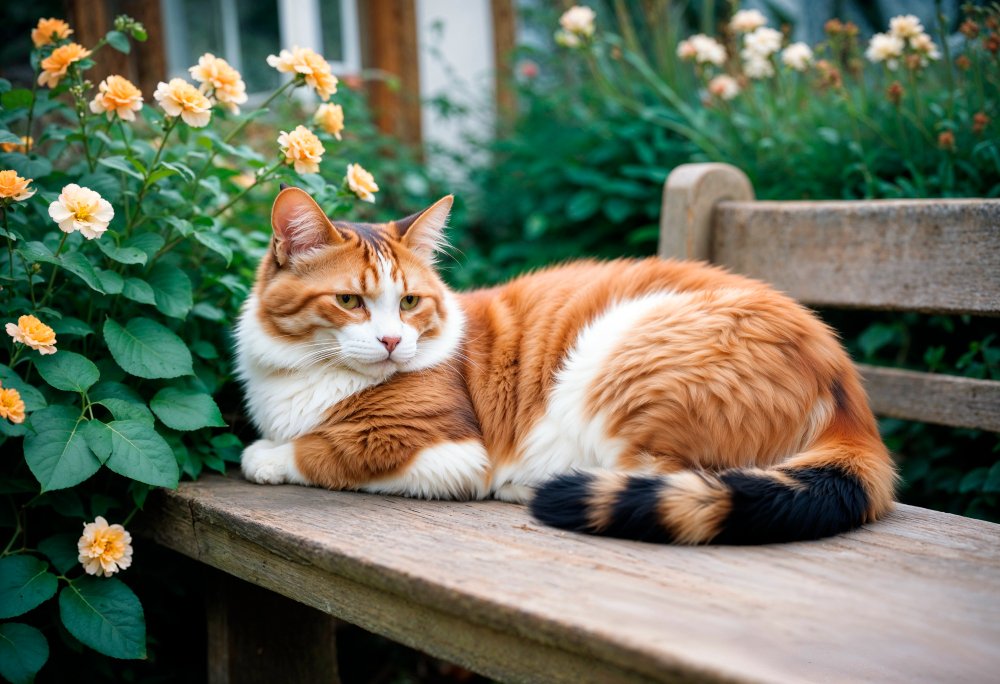
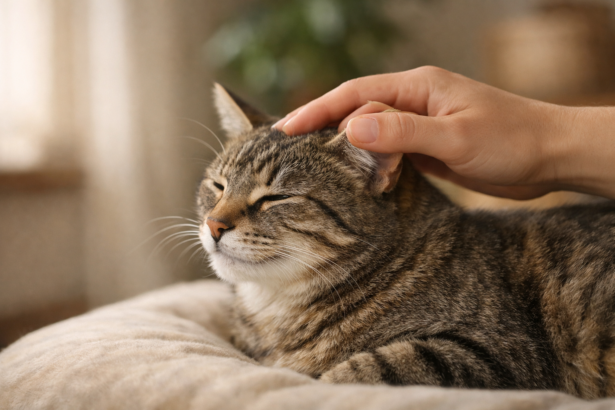
A cat that sleeps on its back in the open feels safe and relaxed. A cat that curls up tightly may be trying to stay warm or stay alert.
Making a Good Place for Cats to Sleep
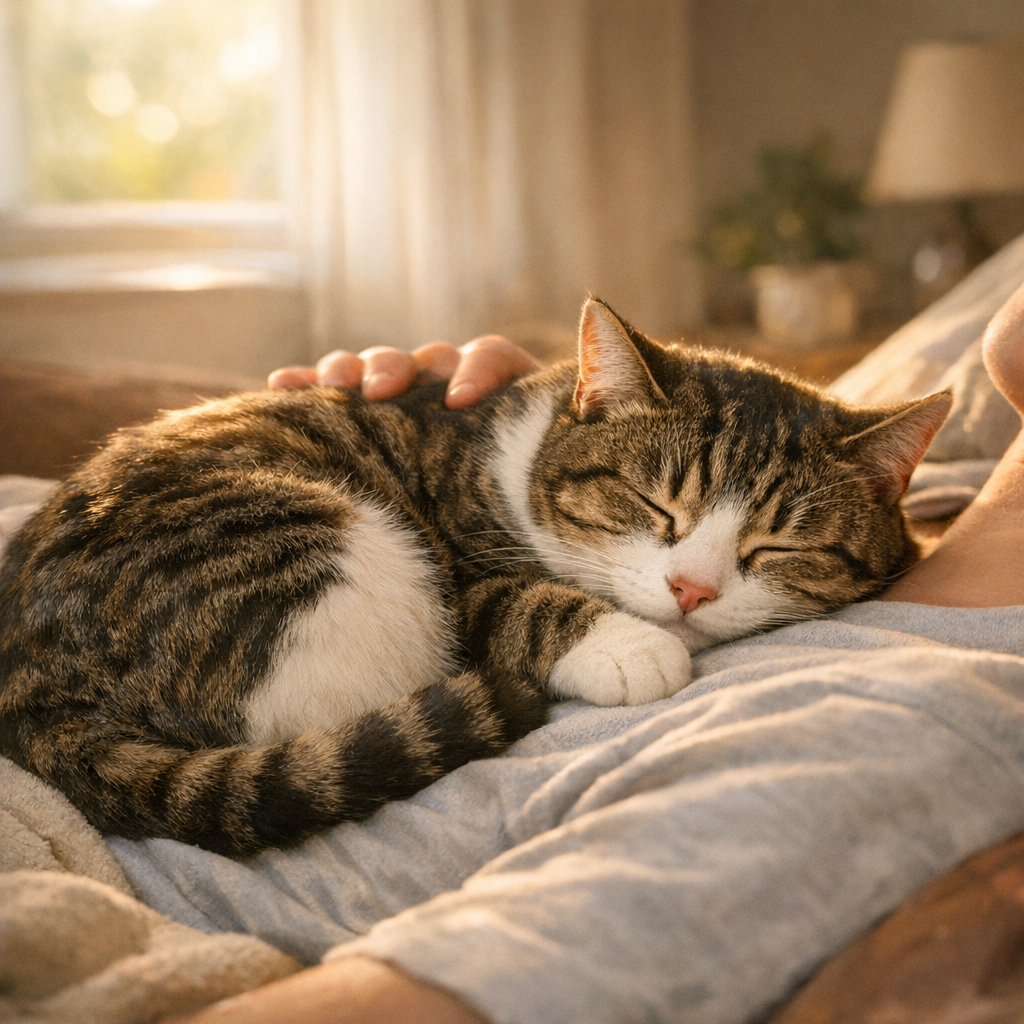
You shouldn’t try to make your cat sleep less, but you can help them get good sleep.
Good Ways to Do Things
- Make sure the sleeping areas are quiet and comfortable.
- Keep a regular schedule.
- Encourage playtime before meals.
- Don’t wake cats up for no reason.
Quality sleep is just as important as quantity.
Why Do Cats Sleep So Much? The Big Picture
The answer to the question “why do cats sleep so much” isn’t a single reason; it’s a mix of biology, evolution, environment, and each cat’s own personality.
Cats sleep to:
- Save energy
- Help their bodies stay healthy
- Keep their instincts sharp
- Deal with their surroundings
Most cat owners shouldn’t worry; instead, they should see their cat sleeping as a sign that it is happy and healthy.
Final Thoughts: What Is Normal and What Is Not
A cat that is sleeping is usually healthy. Cats often take long naps, doze off often, and sleep during the day.
The most important thing is to know how your cat usually acts. As long as your cat:
- Eats well
- Plays sometimes
- Grooms itself often
- Responds when awake
It’s very likely that their sleep habits are good for them.
So, the next time you find yourself asking, “Why do cats sleep so much?” remember that they’re not wasting the day; they’re doing exactly what nature made them to do.