

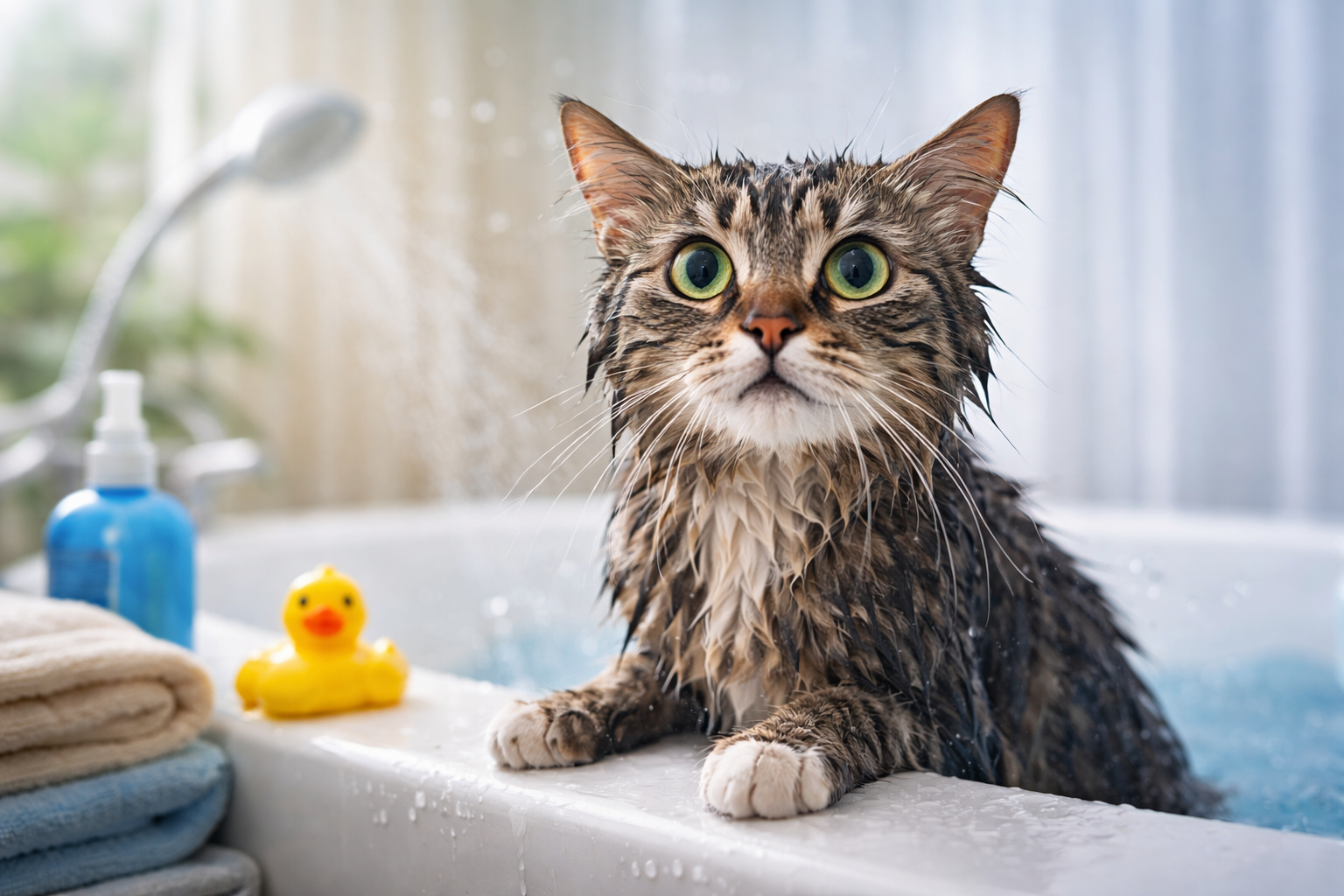
Cats are graceful, curious, and always interesting animals. However, when it comes to water, many of them act like it’s their worst enemy. They might be interested in a dripping faucet, but a shallow bath could make them panic, resist, or try to escape in a dramatic way. This difference makes many cat owners ask the same question over and over: Why do cats hate water?
To understand this behavior, you need more than just a simple answer. It has to do with how cats have changed over time, their biology, their senses, their learned experiences, and even their personalities. This article looks at the question “Why do cats hate water?” from a number of different points of view, using expert opinions, real-life examples, and knowledge that is still useful even as pet trends change. By the end, you’ll not only know your cat better, but you’ll also know how to work with their instincts instead of against them.
The Evolutionary Roots of Why Cats Don’t Like Water
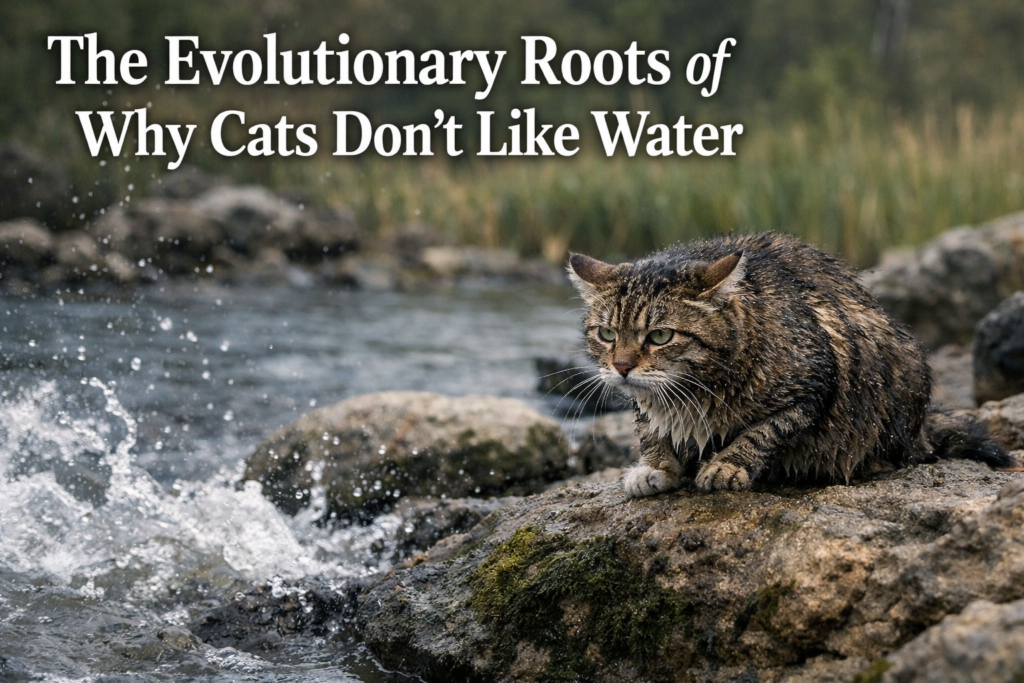
To understand how cats act today, you have to go back thousands of years. The African wildcat, which lives in dry and semi-arid areas of the Middle East and North Africa, is the main ancestor of domestic cats (Felis catus).
Cats Developed in Arid Environments
Early cats lived in dry places where they didn’t have to deal with water, unlike animals that evolved near rivers, lakes, or marshes. People needed to drink water, but they didn’t often get in it. Over many generations, cats evolved behaviors and physical traits that were better suited for being dry than for swimming or wading.
This evolutionary history is a big part of why cats hate water more than other animals do. There was no benefit to survival in liking water; there was only a chance of danger.
Water Could Have Been a Threat
In the wild, water could hide predators, parasites, or strong currents that could hurt you. Staying away from water made it more likely that you would live. Even though they live safely indoors now, this instinctive caution is still very strong in domestic cats.
Just because things change doesn’t mean evolution goes away. This ancient survival programming still affects how cats act.
The Science of Cat Fur and Why Water Feels Bad
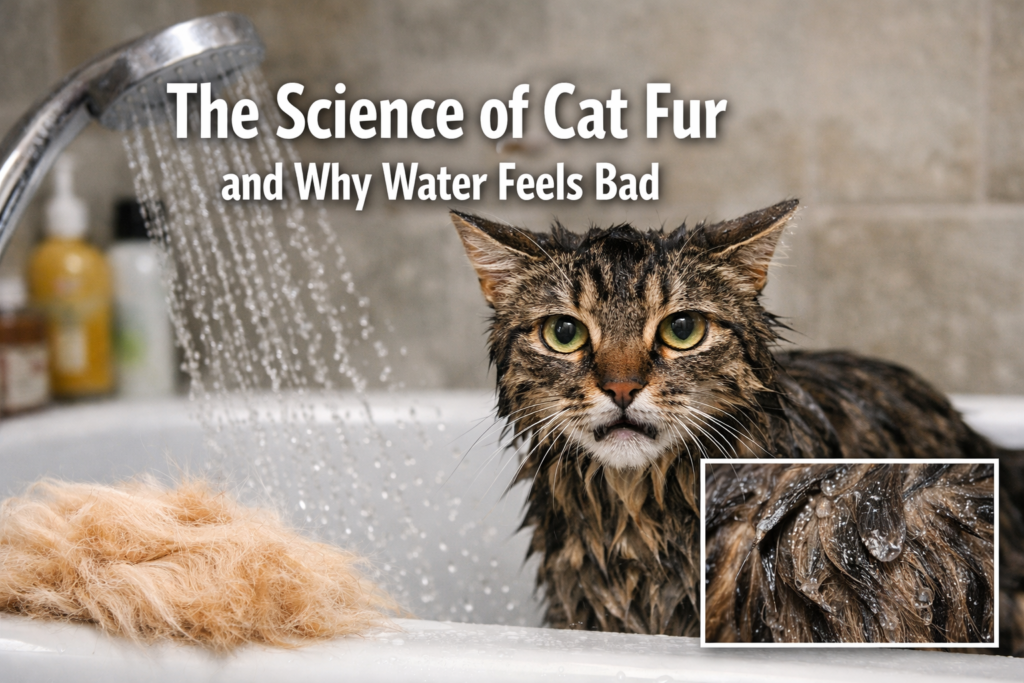
Their fur is one of the most useful reasons why cats don’t like water.
Cat Fur Does Not Keep Water Out
Most cats don’t have an undercoat that keeps water out as well as dogs, otters, or other aquatic mammals do. When it rains on a cat:
- Their fur soaks up water quickly
- The coat gets heavy and uncomfortable
- Movement feels limited
- Body temperature can drop quickly
Wet fur sticks to the skin, which makes cats feel weak and limited in their movements. This feeling alone is enough to make you stressed.
Dry Fur Is Important for Keeping the Temperature Right
Cats use their fur to keep warm. When it gets wet, it can’t control body heat as well anymore. This loss of control can be scary for an animal that likes warmth and stability.
This biological discomfort is a big part of why do cats hate water so much, even when the water is warm and shallow.
More aware of your senses and stressed cats
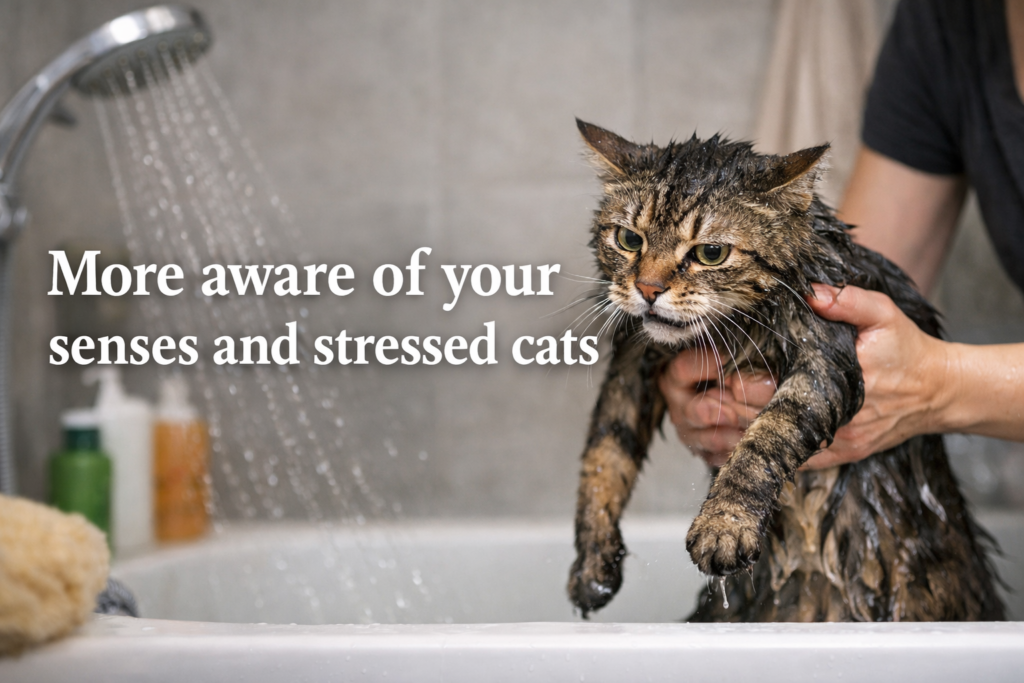
Cats see and feel things differently than people do, and water messes with a lot of their finely tuned senses at once.
Sensitivity to Touch
The skin, paws, and whiskers of a cat are very sensitive. If the water splashes unexpectedly, it can be very overwhelming to touch it suddenly. Even light rain can feel like an intrusion or a threat.
Making Sounds Louder
Water makes sounds that are strange to us, like splashes, echoes, and running streams. These sounds might not bother people, but they might scare cats. These sounds can make people anxious or make them act defensively.
Losing Control
Cats do best when they can predict what will happen and have control over their surroundings. Water makes things less predictable by making you slip, float, and move in ways you don’t know. This loss of balance makes you want to stay away from it even more.
From a neurological and behavioral standpoint, these sensory disruptions add another layer to the question of “why do cats hate water?”
Instinctive Grooming Makes Water Unnecessary
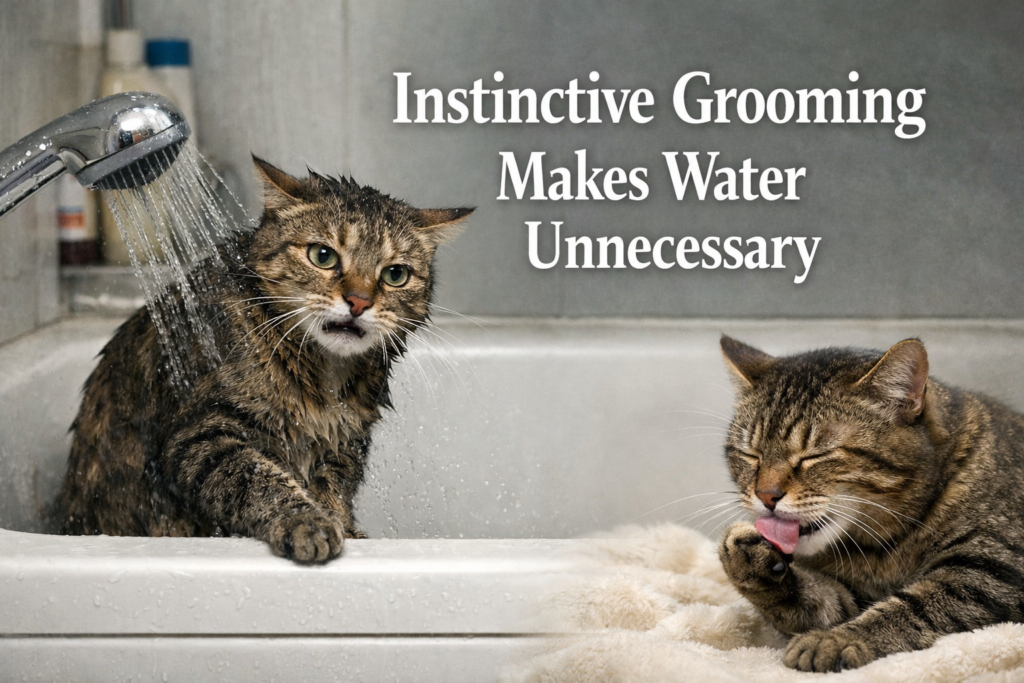
Cats are known for being clean animals; they spend up to half of their waking hours grooming themselves.
Experts in Self-Cleaning
Papillae are tiny hook-like structures that cover a cat’s tongue. They get rid of dirt, loose fur, and parasites well without needing water. Cats don’t need to bathe.
Water Gets in the Way of Natural Grooming
Wet fur messes up the way scents spread and the way you groom. Because smell is so important for cats to communicate and recognize themselves, water can feel intrusive and confusing.
This natural ability to take care of themselves is another reason why cats hate water: they don’t need it to stay clean.
Early Experiences Affect Water Aversion
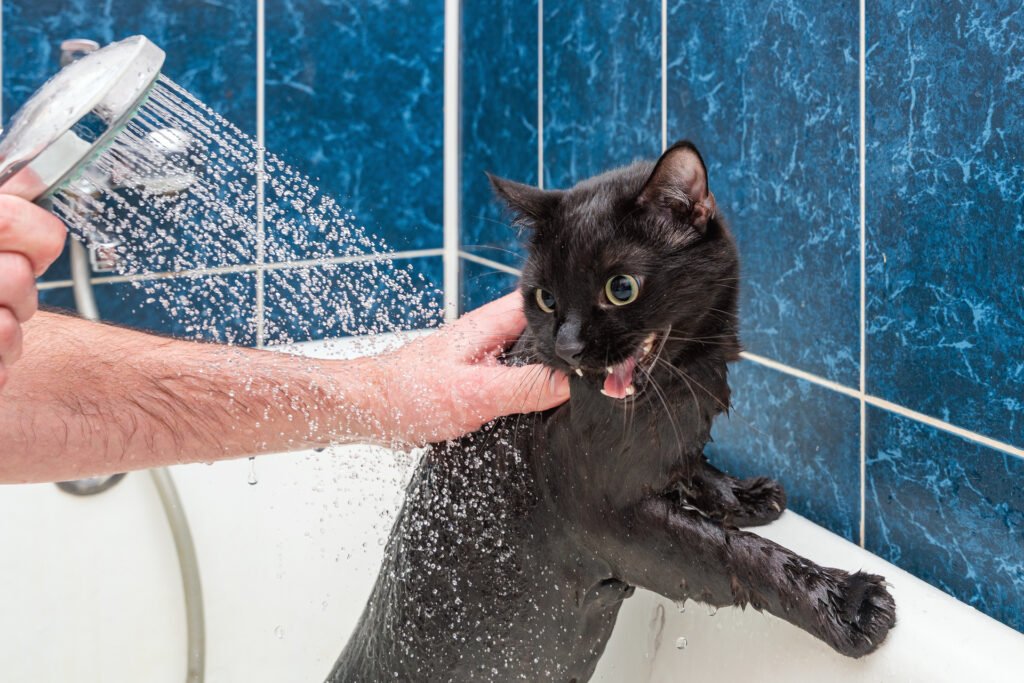
Instincts are important, but so are personal experiences.
Not Enough Early Exposure
Kittens that are not slowly introduced to water when they are young are more likely to hate it as adults. Fear responses are often triggered by sudden exposure later in life.
Bad Connections
A single stressful event, like being forced to take a bath, can make you dislike something for a long time. Cats have a strong memory for things that are related, so they don’t easily forget bad things that happen to them.
This helps explain why different people have different reasons for why they don’t like water. Some cats can handle it, but others go crazy when they see a bathtub.
Why Do Dogs Like Water But Cats Don’t?
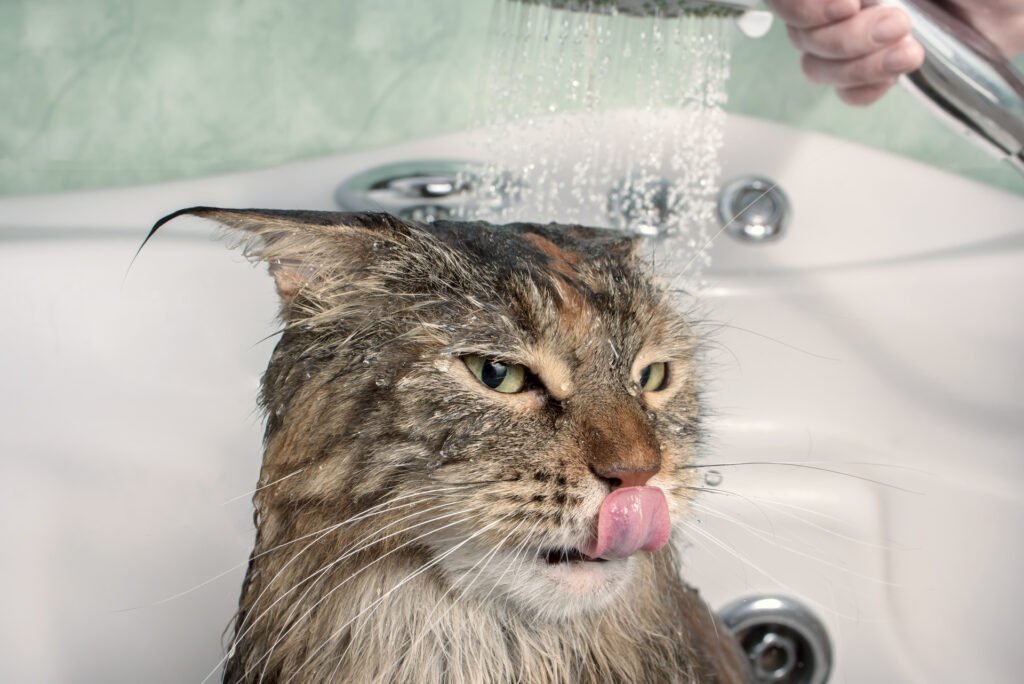
This is one of the most common questions people ask, and the answer has to do with evolution and selective breeding.
Dogs Were Bred to Work in Water
A lot of dog breeds were made just for swimming, retrieving, or doing work in the water. Their fur, body shape, and instincts show that this is what they were made for.
Cats Were Never Tamed to Work with Water
Cats became pets by living near people to get rid of pests. There was no selective pressure that made swimming or bathing more likely.
This basic difference is what makes cats hate water and dogs like it. It’s not their personalities; it’s their history.
Not All Cats Hate Water the Same Way
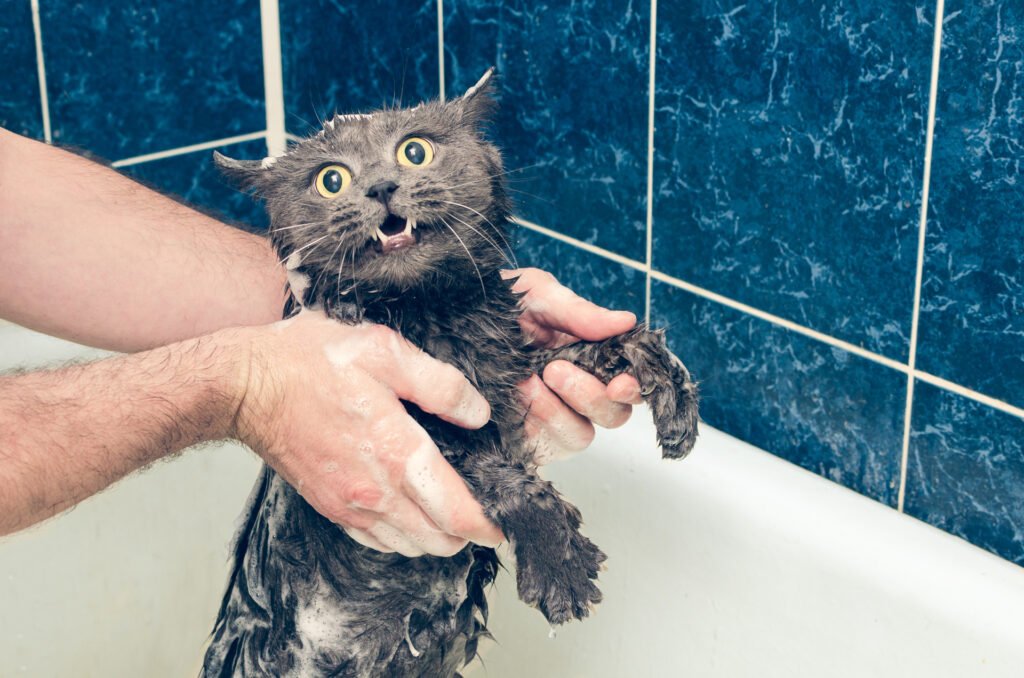
Most of the time, this pattern is true, but some breeds are very different.
Breeds that Can Handle or Like Water
- Bengal
- Savannah
- Turkish Van
- Maine Coon
These cats are often curious about or okay with water, and they sometimes even play with it. But even in these breeds, not everyone likes them.
Their behavior doesn’t go against “why do cats hate water?” It just shows that genetics can affect how tolerant someone is.
Psychological Reasons for Not Liking Water
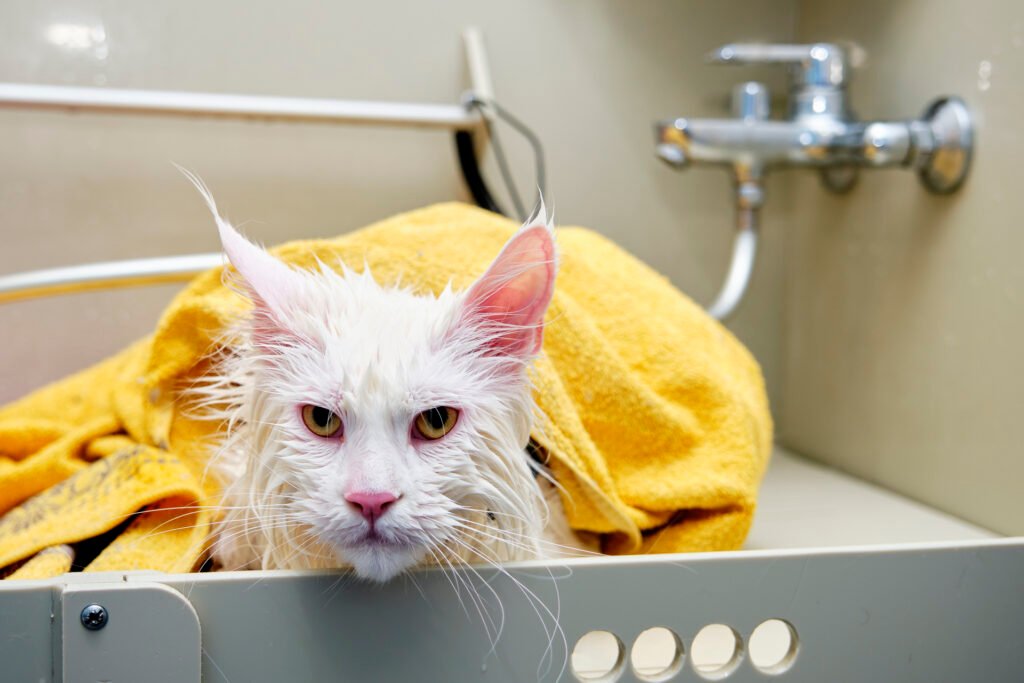
Cats are both hunters and prey, which affects how they think.
Response to Vulnerability
When you’re wet, your reaction time slows down and your agility goes down. From a cat’s point of view, this makes them more open to threats, even in a safe home.
Control and Stress
Cats like to be free. Putting them in water against their will makes them release stress hormones, which makes them more likely to avoid it in the future.
By understanding these psychological factors, cat owners can deal with situations involving water with empathy instead of force.
Cat Owners and Veterinarians Give Real-Life Examples
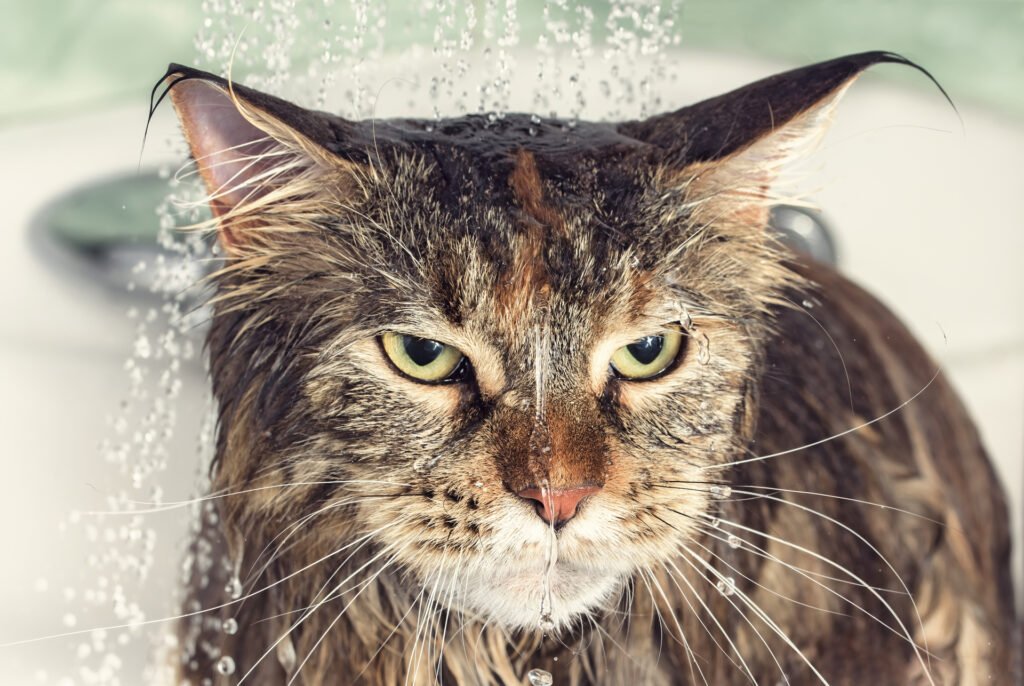
Veterinary behaviorists always see that animals don’t like water during clinical exams.
- Cats don’t like to bathe unless they have to for health reasons.
- Stress levels go up a lot when water is involved.
- Gentle handling lowers fear, but it doesn’t get rid of their natural dislike.
These real-life examples back up scientific explanations for why cats hate water so much.
When Cats Don’t Hate Water: What You Need to Know
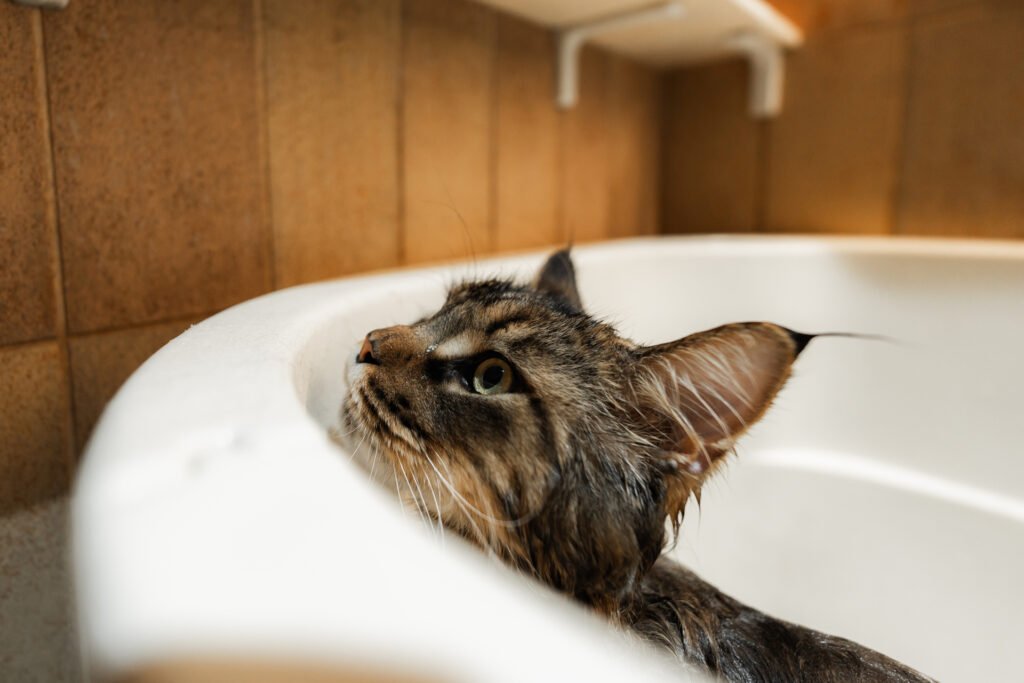
Some cats are very interested in running taps, fountains, or even shallow bowls of water.
Water that moves vs. water that stays still
Water that flows makes people curious without getting their fur wet. This is why cats might scratch at faucets but run away from baths.
Interaction That Is Under Control
When cats choose to interact, they are less stressed. Forced immersion takes away choice and makes people feel bad.
This difference is very important when trying to figure out why cats hate water in real life.
Advice from Experts on How to Deal with Water-Related Problems
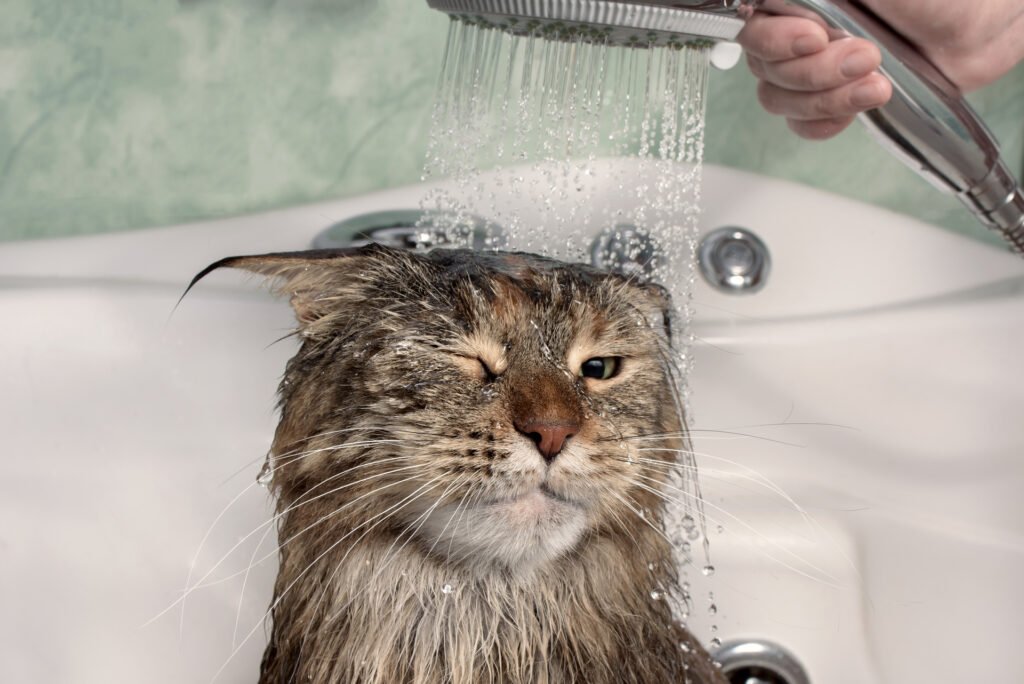
It’s best to avoid taking baths that aren’t necessary, but sometimes you have to get wet.
When You Need to Take a Bath
- Health issues
- Exposure to toxic substances
- Severe contamination
Best Practices That Last
- Use as little water as possible
- Keep the temperature warm
- Keep the sessions short
- Speak calmly and move slowly
- Dry off completely and warm up again
These strategies work with cats’ natural instincts and help them relax over time.
Can Cats Get Used to Water?
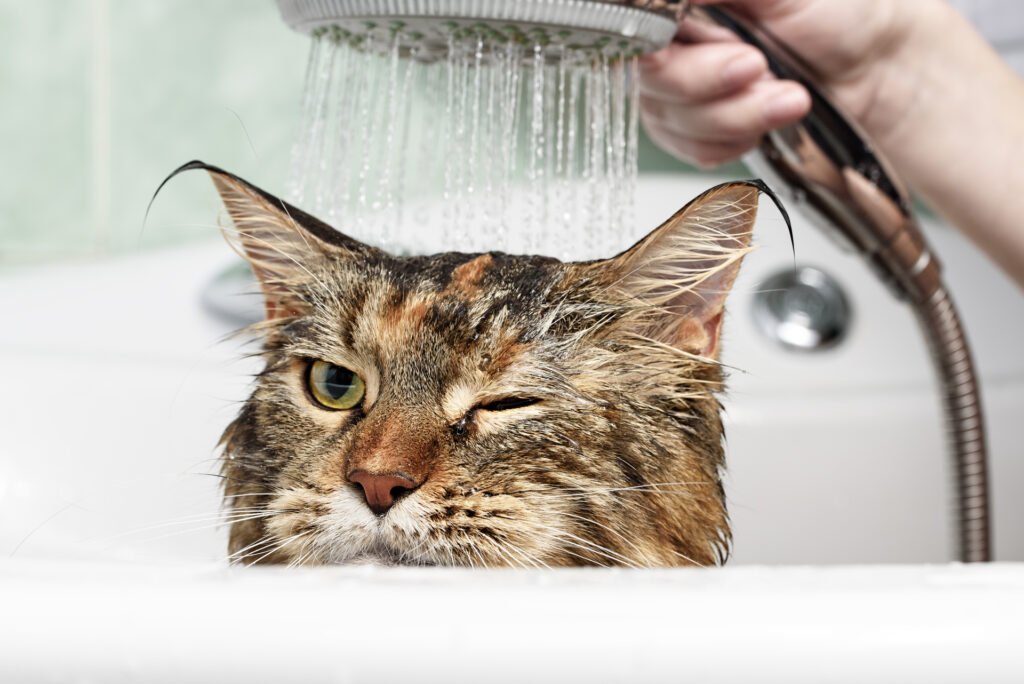
It is possible to be tolerant, but it is not common.
Slow Desensitization
Slow exposure, positive reinforcement, and letting people choose how to interact can all help lessen fear. This method respects the reasons why do cats hate water instead of ignoring them.
Things to Stay Away From
- Forcing immersion
- Sudden exposure
- Loud places
You need to be patient and respect how cats are.
Cultural Myths and Misunderstandings About Cats and Water
Cats are often shown in the news and on TV as being overly dramatic around water. When you look at their behavior from an evolutionary and biological point of view, it makes sense.
Cats aren’t stubborn; they are naturally careful.
Knowing this helps break down myths and improve relationships between people and animals.
Why It’s Important to Understand Why Cats Don’t Like Water Matters
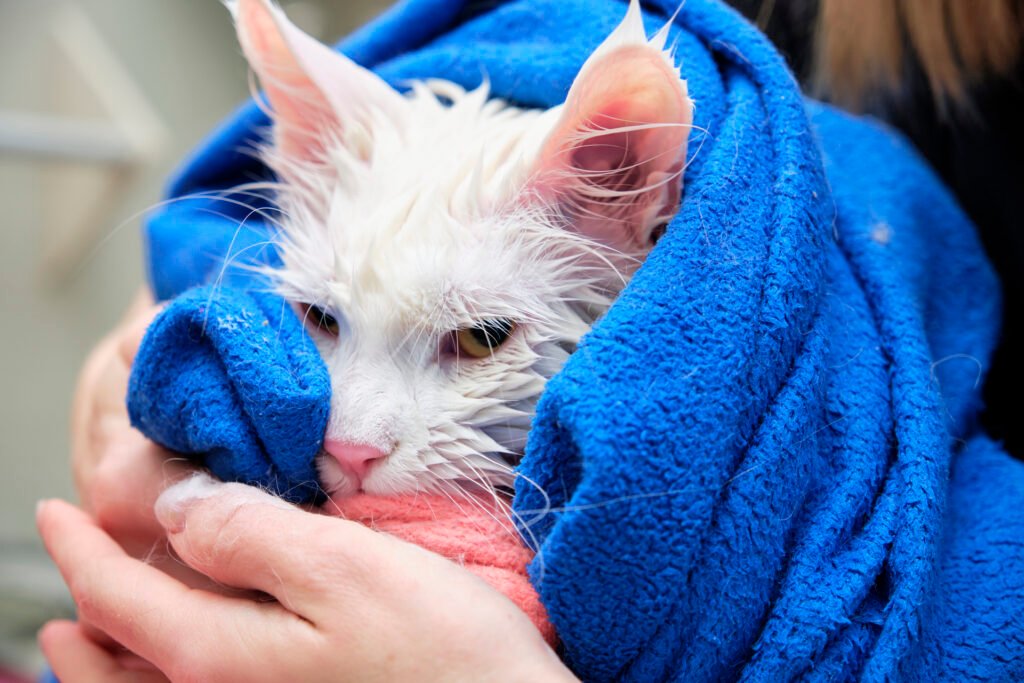
Understanding why cats act the way they do makes caring for them easier, lowers stress, and strengthens your bond with them.
Cats feel safer, more confident, and more trusting when their owners respect their natural instincts.
No matter what new pet products or trends come out, this information will always be useful because it is based on biology, not fashion.
The Lasting Reason Why Cats Don’t Like Water
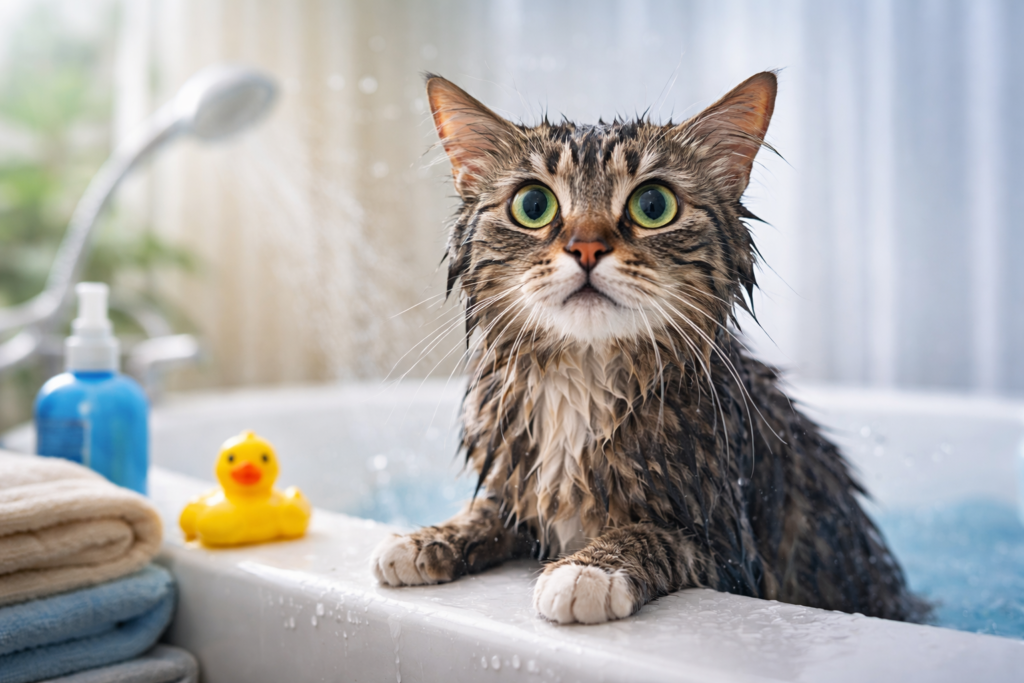
So, why do cats not like water?
Because their evolution, biology, sensory systems, grooming habits, and psychology all show that they like to be dry, in charge, and independent. Water puts these foundations to the test, making people want to avoid them.
Some cats can handle it. Some people even like it. Most people see water as uncomfortable, not as a sign of rebellion.
Cat owners can respond with patience, compassion, and informed care if they understand the timeless reasons behind this behavior. They honor what cats really are: beautiful, evolved creatures that have learned how to survive over millions of years.