


One of the best things a future pet parent can do is pick the right cat. Every cat deserves a loving and appropriate home, whether you get one from a shelter, choose a breed from a responsible breeder, or rescue a stray that stole your heart. Cats may have some things in common, but each one is different in terms of personality, background, and needs. Choosing the right cat will make sure that your home and the cat are both happy.
This guide will help you choose the right cat by telling you everything you need to know about their personality, age, environment, and long-term responsibilities. You will have everything you need to make a smart and well-informed choice, including useful tips, real-life examples, and suggestions from experts.
Why It’s Important to Pick the Right Cat
Having a cat in your home is a long-term commitment. Most indoor cats live between 12 and 18 years, but some live into their 20s. That’s a lot of love and responsibility shared over the years.
Choosing a cat that fits your lifestyle is good for both of you:
- You get a friend who fits right into your daily life.
- Your cat feels safe, comfortable, and understood.
- People are less likely to have behavioral problems when their expectations don’t match.
The best adoptions start with compatibility, not impulse.
🐾 First, know what you want
Before you fall in love with the first cute face you see, think about your life and what you want. Think about:
- How long do you stay at home?
- How busy or quiet is your life?
- Do you want a cat that likes to cuddle or one that is more independent?
- Do you have kids or other animals?
- Are you ready to take care of grooming, training, or medical needs?
Being honest with yourself will make the move go more smoothly and make your pet happier.
The most important thing about a cat is its personality.

Looks may catch your eye, but personality is what keeps things peaceful in the long run. There are many things that affect a cat’s personality:
Types of Temperament That Cats Often Have
| Type of Person | Best For | Notes |
|---|---|---|
| Playful and full of energy | homes with kids, pets, and lots of activity | Needs exercise and mental stimulation. |
| Calm and relaxed | likes quiet homes, seniors, and first-time owners | Likes to be handled gently. |
| Affectionate and social | people come to their house a lot | They like to be cuddled and get attention. |
| Independent | Busy people | keep themselves busy without getting stressed |
| Shy or Timid | Needs time to get used to new things; calm spaces; patient adopters | |
| Territorial | Experienced cat owners | need space and time to get used to each other. |
Tip: Let the people who work at shelters or rescues help you. They know how each cat acts and what kind of personality they have.
Age: Kitten, Adult, or Senior?
Age has an effect on energy, behavior, and care needs.
Kittens (0 to 12 months)
Pros
- Fun, cute, and playful
- Can be trained at a young age
Cons
- High energy: need something to do
- Prone to accidents and troublemaking
- May develop a personality that is different from what you thought it would be
Best for: families with pets that are active, experienced pet owners, and homes that have time to train and watch them.
Cats that are 1 to 8 years old
Pros
- You know what you’re getting with an established personality.
- Usually trained to use the litter box and calmer
- Easier to adjust to life at home
Best for: most people who adopt cats, especially those who have never owned one before.
Older Cats (8 years or more)
Pros
- Calm, loving, and easy to care for
- Often ignored but very loving
- Great for homes that are quiet and patient
Think about
- May need more medical care as time goes on
Best for: people who are kind and calm, people who want to adopt, and people with big hearts.
🏠 Take a look at your home and living space.
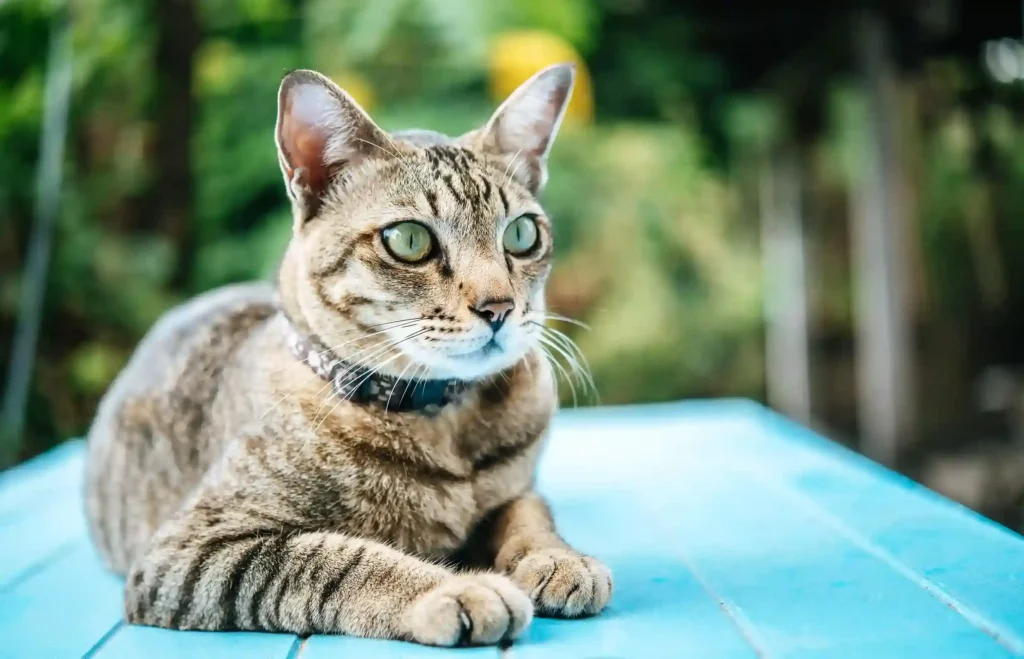
The place you live has a big effect on which cat is best for you.
Best Cat Type for Your Home
- Small Apartment: Cats that are calm, low-energy, and like to be alone
- Big House: Cats that like to explore and are active
- With Kids: Cats that are social and friendly and used to being around kids
- Other Pets Present: Animals that are confident and get along with cats
Things to think about
- Can you give us vertical space, like shelves or cat trees?
- Are you renting? Are cats welcome? Are there any limits?
- Would you like one cat or two that get along?
Bonded cats are easier to care for than most people think and enjoy being with other cats.
👨👩👧 Thinking About Families With Kids
Temperament and patience are very important when it comes to picking the right cat for a family.
Look for:
- Cats that don’t mind being handled
- People who have worked with kids before
- People who are calm and sure of themselves
Don’t:
- Cats that get scared easily
- People who have been known to be afraid or aggressive
Teach kids to be nice to cats:
- Don’t chase or grab
- Only light petting
- Safe places for the cat to go when it wants to be alone
Trust grows in a place where people are polite.
🐕 If You Have Other Animals
When you bring a new cat into a home with other pets, they need to get along.
Advice:
- Ask for a cat that has lived with other animals before.
- Give slow introductions
- At first, there were separate spaces.
- Try swapping scents
Some cats do well with a furry friend. Some people like to rule by themselves, like a king or queen.
Health and special needs issues to think about

Every cat needs love, but not every home can handle a cat with special needs.
Some of the most common long-term problems are:
- Long-term illnesses (like diabetes)
- Problems with moving
- Allergies
- Daily needs for medication
Think about:
- Are you ready to take care of someone emotionally and financially?
- If you need to, do you have time to groom (like Persian coats)?
- Do you know how much it might cost to keep going to the vet?
Making a smart choice is good for both you and the cat.
🐈 Breed Traits: Helpful but Not All
What matters most about a cat is its personality, whether it is purebred or mixed. But understanding breed tendencies can help you set realistic goals.
Common Traits of Breeds
- Siamese: Vocal, social, and want attention
- Maine Coons are big, loving, and playful.
- Persian: calm but needs a lot of grooming
- British Shorthair: Quiet, independent, and kind
- Bengal: needs space, is full of energy, and loves to explore.
- Ragdoll: calm, loves being held, and likes being around people
Don’t forget: shelter cats can be the best pets, even if they don’t have a pedigree.
🧪 Why a Behavior Assessment Is Important

Shelters often do evaluations before people adopt, such as:
- Being social
- Handling tolerance
- How people react to stressful situations
- Interacting with kids or other pets
Ask the staff questions:
- What does the cat do when it’s by itself?
- Do you have any fears or triggers for aggression?
- What does the cat like to do for fun?
- Has the cat ever been fostered before? (With more information, transitions will be smoother)
Behavior assessments help make sure that people will get along for the rest of their lives.
❤️ Think about adopting based on how you feel about the animal, not how it looks.
It’s normal to want to be near the cutest cat in the room. But don’t just think about how it looks:
- The shy cat that is hiding could become a loyal friend.
- Black cats and other colors that aren’t as popular are often the sweetest.
- Seniors and “underdogs” can give love like no one else.
A good match is based on connection and understanding, not how long their fur is or what color their eyes are.
🧾 Useful Tips for Adoption
When you go to shelters or rescues:
✔︎ Ask the right questions
- How did the cat get to the shelter?
- Has it acted in ways that show stress?
- What kind of food does it eat?
- Litter habits: do they clump, not clump, or make crystals?
- Medical history: vaccinations, spaying/neutering?
✔︎ Getting ready at home
- A quiet place to work for the first few days
- Litter box, good food, and scratching posts
- Toys and places to hide that are safe
✔︎ Be patient while you get used to it
Some cats take hours to settle down. Some people need weeks.
Love grows at the speed of a cat.
Things to avoid when adopting a pet
| Mistake | Better Way |
|---|---|
| Picking based only on looks is not a good idea. | First, think about personality and environment fit. |
| Expecting hugs right away? | Give them time and space to bond. |
| Not thinking about long-term costs: | Plan for food, litter, vet care, and emergencies. |
| Quick introductions with kids or pets | vs. slow and controlled meetings |
| Don’t forget about shy or older cats | they can be the best friends. |
Awareness stops regrets and situations where you have to rehome.
🔄 Long-Term Responsibility and Commitment
A cat is not a short-term friend. They need:
- Regular visits to the vet
- Feeding schedules that work
- Fun and learning
- Safety and emotional support
- Being responsible with money for the rest of their lives
A good match makes for a long-lasting, happy, and fulfilling relationship.
🌟 Use Real-Life Examples to Help You Decide

Your Way of Life: The Perfect Cat for You
- Independent adult cat who is busy and rarely home
- Kids in the house: a playful, social cat who has been around kids before
- First-time cat owner: a calm, easygoing adult
- Living in an apartment with a low-energy or older cat
- Wanting love: a cuddly, friendly cat that likes to be around people
- A friendly and confident cat that lives with other pets
Imagining the match makes it easier to choose.
The Emotional Reward of Finding the Right Person
When you take the time to think about your choice:
✨ Your cat knows they are safe and loved
✨ You have a bond that is free of stress
✨ Problems with behavior are less likely to happen
✨ Your home is now whole
Every cat should have a good home, and every future cat owner should have a good friend.
🎯 Final Thoughts: How to Choose the Best Option
Choosing the right cat means being kind and understanding. Keep these important points in mind:
- Be honest with yourself about your lifestyle.
- Put personality ahead of looks
- Think about their age, background, and any special needs they may have.
- Look at the home environment and how well it works with others.
- Be patient while you get used to the change.
A good relationship is based on love, empathy, and being ready. When you choose wisely, you’re not just getting a pet; you’re getting a friend and family member for life.
Your Forever Friend Is Waiting
There is a cat out there for you, whether it’s a playful kitten, a sweet old cat, or a strange adult with a big heart. If you follow these steps and take your time, you’ll have a great start to a lifetime of friendship.
Picking the right cat means picking a love that will last for years.
And that journey starts as soon as you open your heart.