

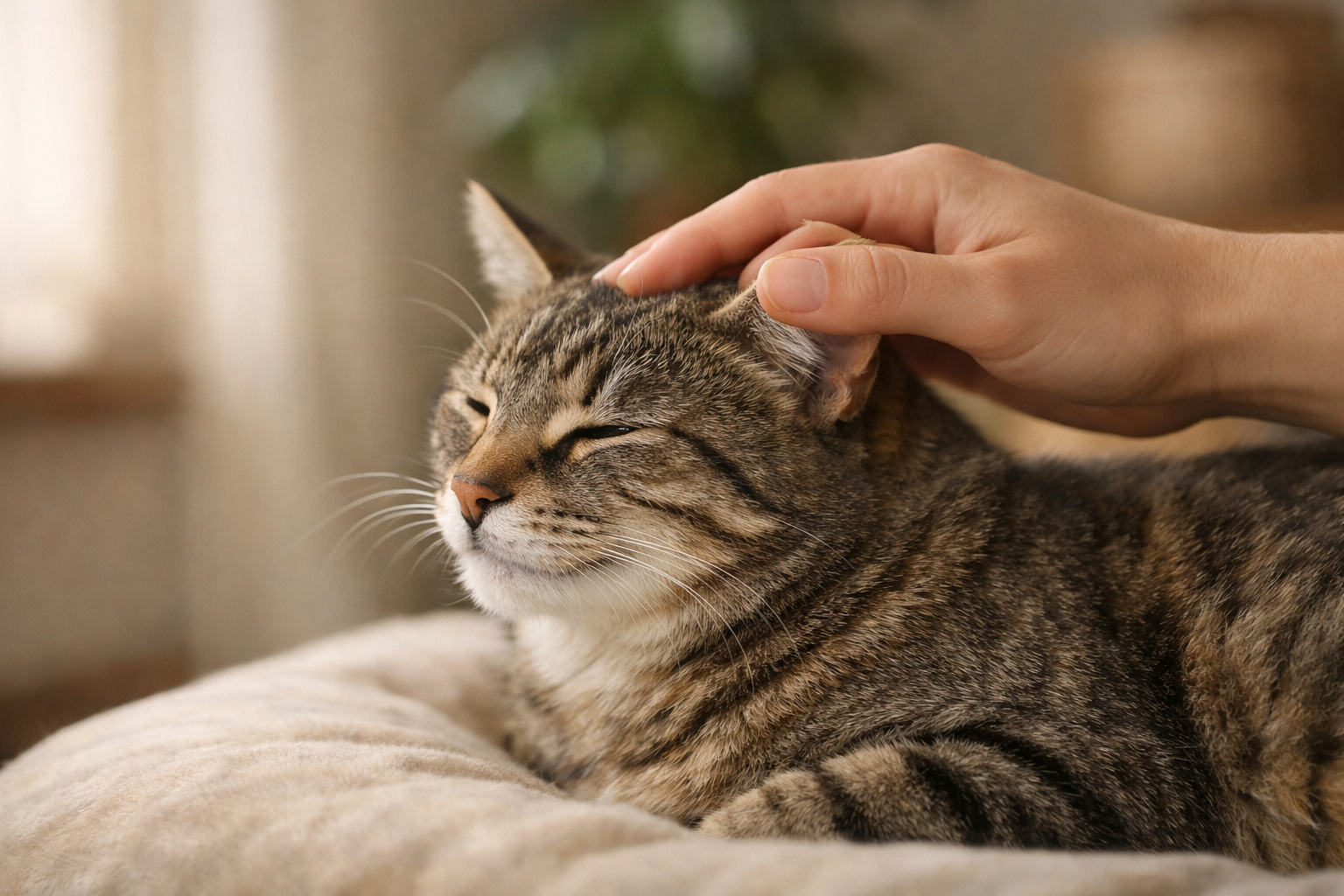
A cat’s purr is one of the most recognizable and comforting sounds in the animal world. That soft, steady vibration can turn a stressful day into a peaceful moment. This makes a lot of people wonder, “Why do cats purr?” Is it always a sign of happiness, or does it have a deeper biological purpose?

Ten focused guides, vet-reviewed, zero fluff. Loved this article? See what's inside.
See What's Inside →The answer is both easy and interesting. There are many reasons why cats purr, and being happy is just one of them. Modern science, behavioral research, and observations by veterinarians show that purring is a complicated part of how cats talk to each other, control their emotions, and even heal their bodies.
This detailed guide goes over why do cats purr, how purring works, what different types of purrs mean, and when purring could mean something other than happiness. By the end, you’ll have a full, scientifically-based understanding of one of the most interesting things animals do.
How Cats Make That Sound: The Mechanics of Purring
It’s easier to understand why cats purr if you first know how they do it. Purring is a sound that happens all the time, both when you breathe in and when you breathe out. It’s different from meowing, chirping, or hissing.
What Goes On Inside a Cat’s Body When It Purrs
Studies show that purring starts in the brain, not just in the throat. A neural oscillator in a cat’s brain sends rhythmic signals to the muscles in the larynx (voice box). As air passes over the vocal cords, these muscles quickly contract and relax, making them vibrate.
This vibration makes the low-frequency sound we all know, which usually falls between 25 and 150 Hertz. This range is very important.
What Makes Purring Different from Other Animal Sounds
Purring doesn’t require any conscious effort, unlike most other sounds. Once it starts, it happens on its own. This is why cats can purr even when they are hurt, sleeping, or nursing their kittens.
Different big cats purr in different ways. Some small wild cats, like domestic cats and cheetahs, can purr all the time. Lions and tigers roar, but they can’t purr in the same way. The structure of the hyoid bone and larynx is what makes this difference.
Why Do Cats Purr When They’re Happy
The most common answer to the question “Why do cats purr?” is “because they are happy,” and this is completely true.
Ten focused guides, vet-reviewed, zero fluff. Loved this article? See what's inside.
See What's Inside →Purring as a Sign of Happiness
When cats feel safe, comfortable, and relaxed, they often purr. Some common situations are:
- Getting petted or stroked
- Curling up in a warm spot
- Sitting on a loved one’s lap
- Drifting off to sleep
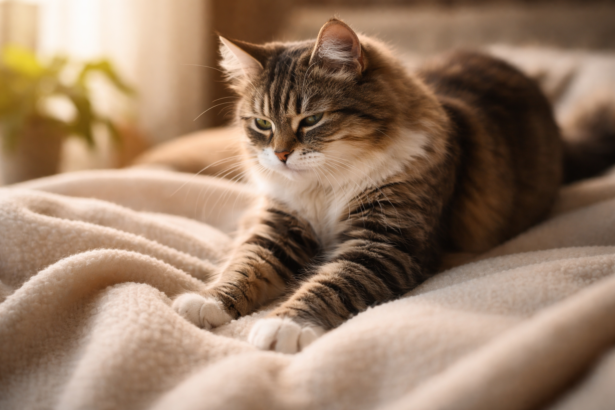
When a cat purrs in these situations, it usually has relaxed body language, such as half-closed eyes, slow blinking, kneading motions, and a loose posture.
Why Do Cats Purr When You Touch Them
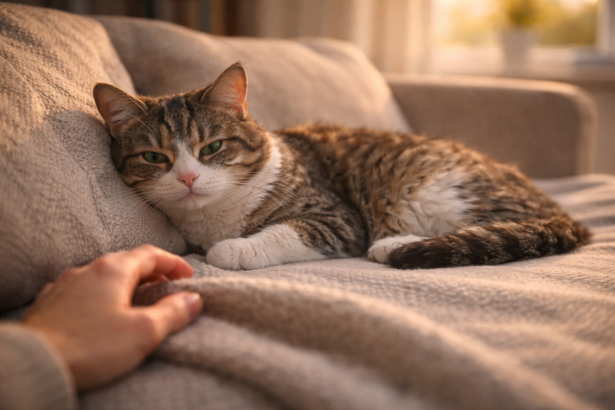
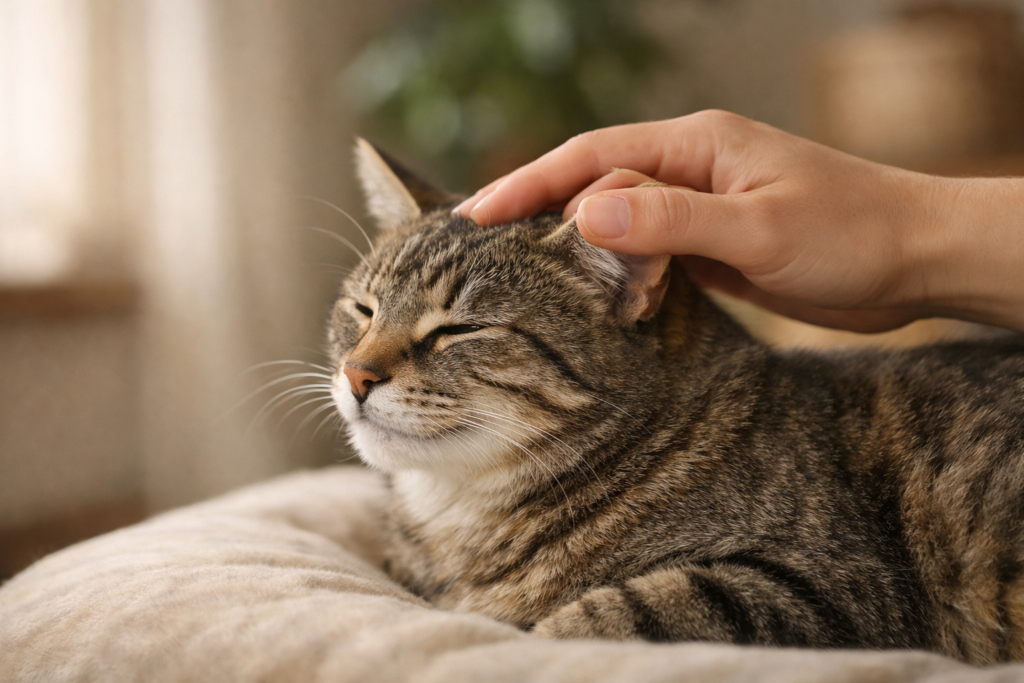
A lot of people want to know “why do cats purr when you pet them?” or “why do cats purr when you stroke them?” A light touch can stimulate sensory nerves that turn on pleasure centers in the brain. Purring seems to make this good experience even better, almost like a feedback loop that keeps the cat calm and happy.
Purring is like a human sigh of contentment in this context; it shows that the cat is happy and emotionally stable.
Why Do Cats Purr and Knead at the Same Time
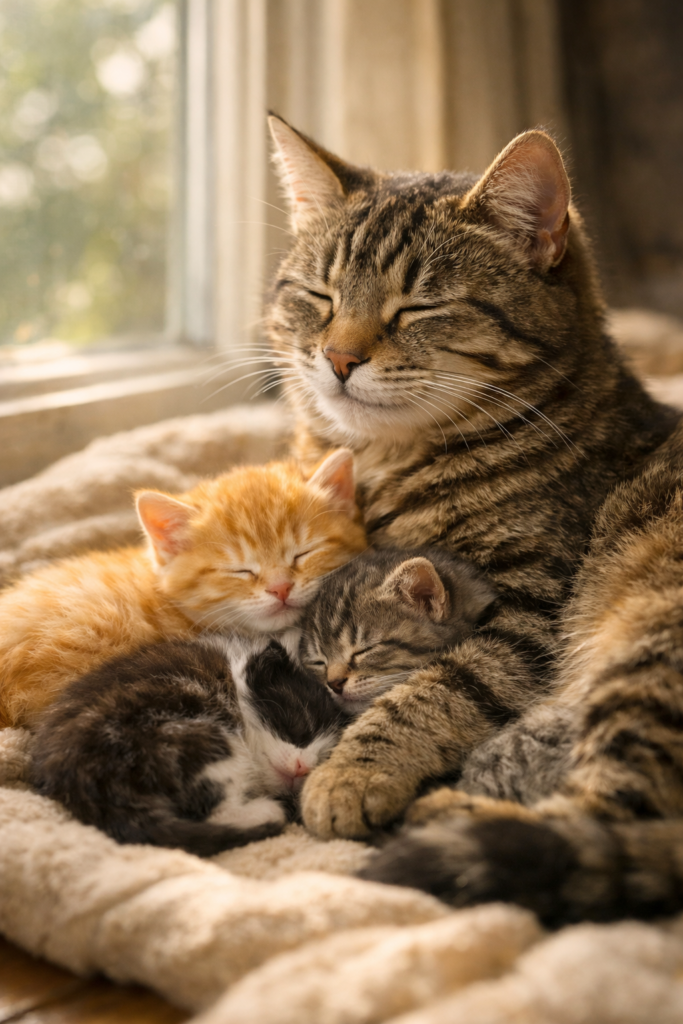
Another question that is often asked about purring is “Why do cats purr and knead?” This is sometimes called “making biscuits.”
A Behavior That Comes from Being a Kitten
Kneading starts when you’re a baby. When nursing, kittens knead their mother’s belly to get the milk to flow. They almost always purr while doing this. This mix makes a strong link between purring, safety, comfort, and food.
A lot of cats keep this behavior as they get older. When an adult cat kneads a blanket or you, it’s often because it remembers how safe it felt when it was a kitten.
Why Do Adult Cats Make Biscuits and Purr
When adult cats knead and purr together, it usually means they are very relaxed and trust each other. The cat is emotionally stable enough to act like a kitten again. This is why this habit is most common in calm places with people the cat loves.
Why Do Cats Purr to Talk to Each Other
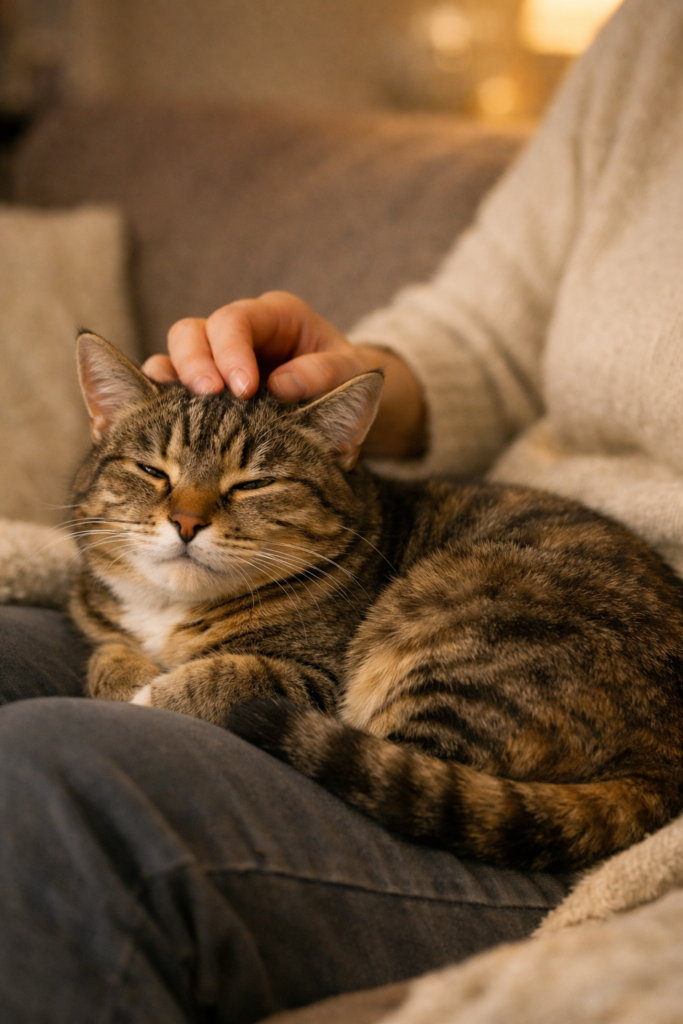
Purring is more than just a way to show how you feel; it’s also a way to talk.
How Cats Purr When They’re With Other Cats
Mother cats purr to talk to their kittens. Newborn kittens can’t see or hear, so vibration is a big part of bonding and guiding them. The purr makes kittens feel safe and calm because they know their mother is close by.
Adult cats may also purr around other cats to show they aren’t a threat, especially when they are in the same room.
Why Cats Purr to Talk to People
Cats know that when they purr, people like it. This sound has become a good way to get attention, love, or help over time. Some scientists think that cats change their purrs in small ways depending on the situation, mixing them with higher-frequency sounds that people naturally notice.
This is one reason why purring can feel so good emotionally: it’s meant to be.
Why Do Cats Purr When They Are Hurt, Sick, or Stressed
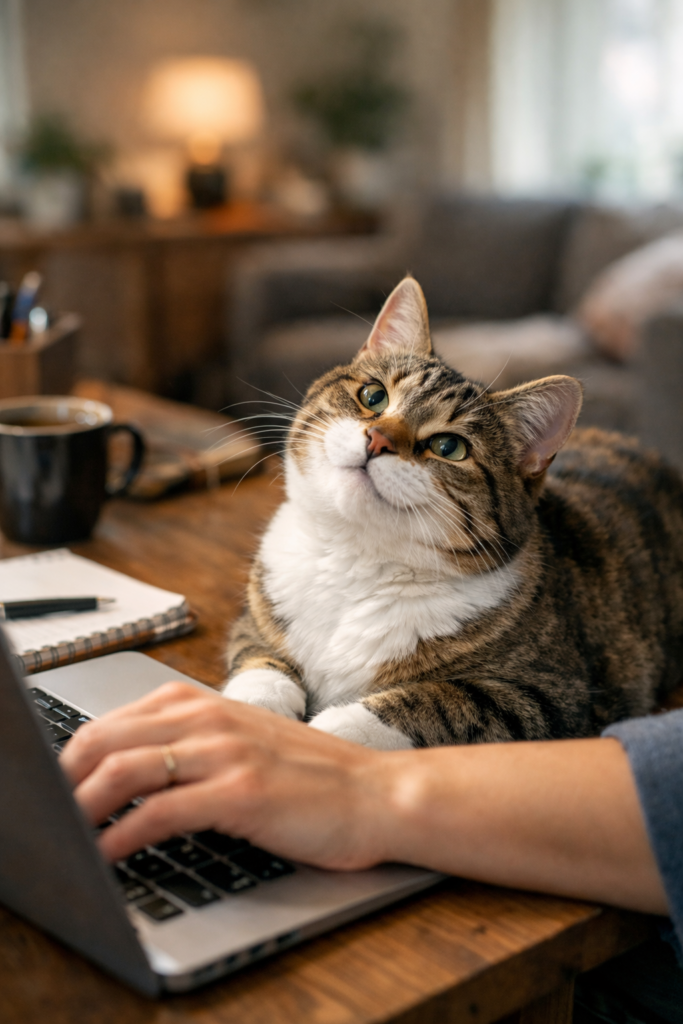
One of the most surprising things about why cats purr is that they don’t just do it when they’re happy.
Purring as a Way to Calm Down
Cats often purr when they are scared or stressed, like when they are:
- When going to the vet
- When giving birth
- When hurt or sick
- In new places
When this happens, purring seems to help keep the nervous system in check. The rhythmic vibration may lower stress hormones and help people relax, just like deep breathing does.
Why Do Cats Purr When They Hurt
Veterinarians have known for a long time that cats purr when they are hurt or very sick. People think this kind of purring is a way for cats to deal with stress, not a sign of happiness. It might help the cat stay calm, save energy, and help the body heal.
Because purring can mean two things, you should never look at it in isolation.
What Science Says About the Healing Power of Purring
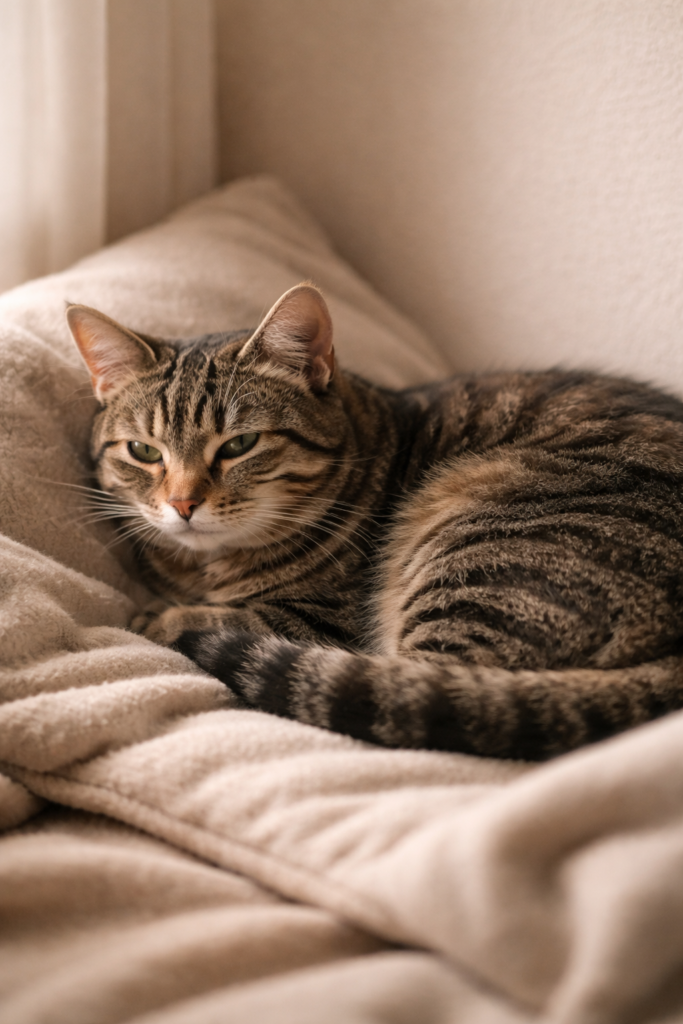
One of the most interesting things about how cats act is that purring might have physical benefits.
The Science of Healing Frequencies
Research indicates that the frequency range of a cat’s purr—ranging from 25 to 150 Hz—is linked to:
- Better bone density
- Faster healing of fractures
- Repair of muscles
- Less inflammation
These frequencies are like the ones used in some physical therapy and rehabilitation treatments for people.
Why Cats Heal Quickly After Getting Hurt
People know that cats are tough. Purring may help with this by encouraging tissue regeneration and keeping bones strong, even when the body is at rest or not moving.
Purring isn’t a replacement for going to the vet, but it might be part of a natural biological system that helps cats heal themselves.
Why Do Cats Purr Loudly or Softly
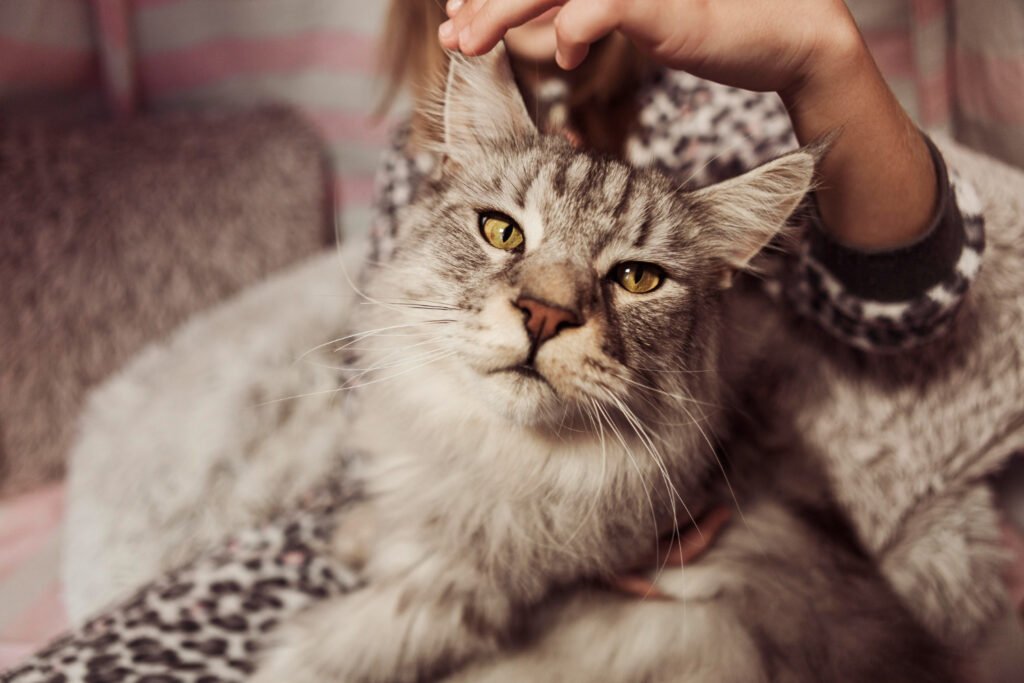
Many cat owners wonder why their cats purr loudly or why their cats purr so loudly.
What Makes a Purr Loud
There are a number of things that affect how loud a cat’s purr is:
- The person’s body type
- How emotional they are
- Their age
- Their breed’s tendencies
Some cats naturally make stronger vibrations, while others have purrs that are quieter or even silent.
When Purring Loudly Has a Reason
When a cat is very relaxed or wants attention, it often makes a loud purring sound. It can also happen when you’re stressed, maybe because stronger vibrations are more calming.
A cat’s normal baseline may be a quiet purr, so it doesn’t mean they’re less happy.
Why Do Cats Purr and Drool
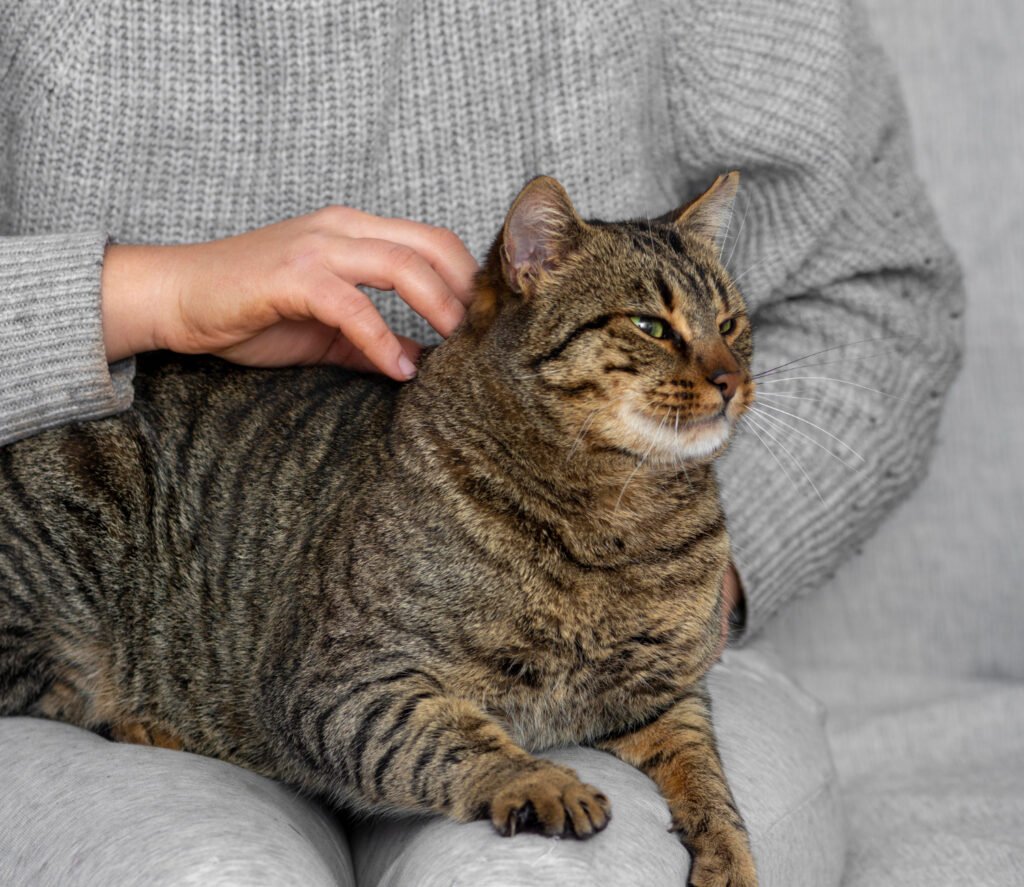
Drooling is another behavior that goes along with purring. This makes you wonder, “Why do cats drool when they purr?”
A Sign of Deep Relaxation
When a cat is very happy, like when it’s being petted or cuddled, it will often drool while purring. People think that this reaction is caused by too much stimulation of the parasympathetic nervous system, which controls relaxation and digestion.
When Drooling Could Mean Something Else
It’s usually not a big deal if your cat drools sometimes while purring. But if your dog is drooling too much, especially if their appetite or behavior changes, you should take them to the vet to make sure they don’t have any dental or medical problems.
Do All Cats Purr for the Same Reasons
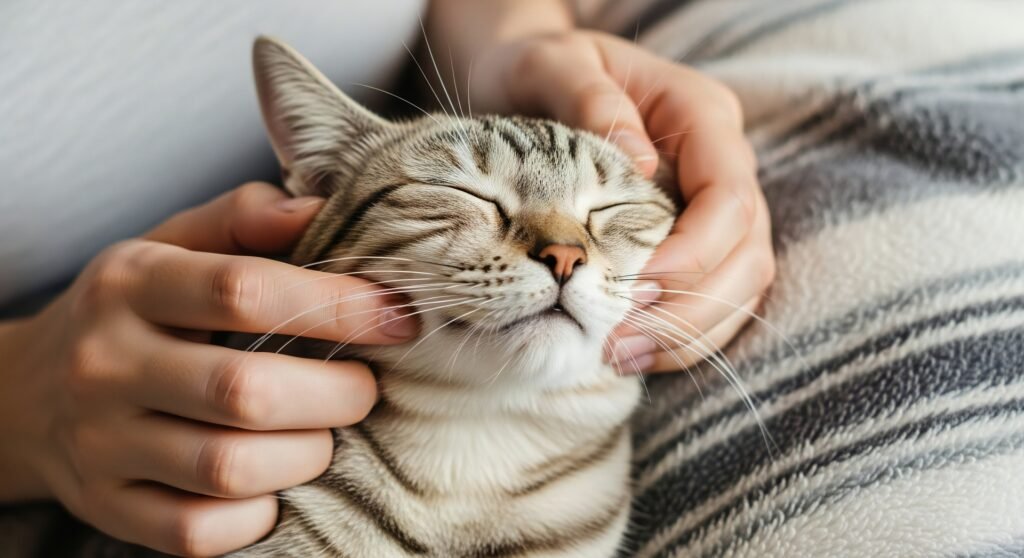
Not all cats purr the same way or as often, even though it is common.
Different Personalities
Cats, like people, have their own personalities. Some people are naturally more vocal and expressive, while others use body language instead of sound to talk.
A cat that doesn’t purr a lot doesn’t mean it’s unhappy. Instead, they might show that they are happy by blinking slowly, bumping their heads, or relaxing their bodies.
Genetic and Breed Factors
Some breeds, like Siamese and Maine Coons, are known to be more talkative than others. This doesn’t mean they purr for different reasons, but their sounds may be easier to hear.
How to Figure Out What Your Cat’s Purr Means
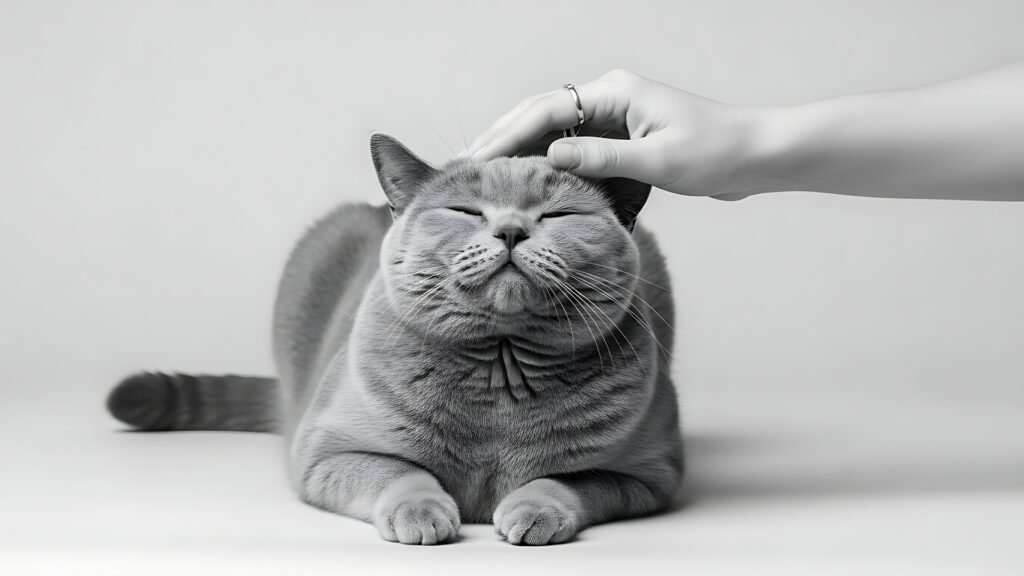
To understand why cats purr, you need to see the whole picture.
Pay Attention to Body Language
To understand a purr correctly, think about:
- Where the ears are
- How the tail moves
- The shape of the eyes
- The tension in the muscles
A cat that is relaxed, has a loose posture, and blinks slowly is probably purring from happiness. If your cat’s body is tense, its ears are flat, or it’s hiding, the purr may be a sign of stress.
Think About the Situation
It’s very important to know the context. A purr while you’re cuddling means something very different than a purr during a vet visit. If you know how your cat usually acts, you’ll be able to tell when something is “off.”
How Purring Makes the Bond Between Humans and Cats Stronger
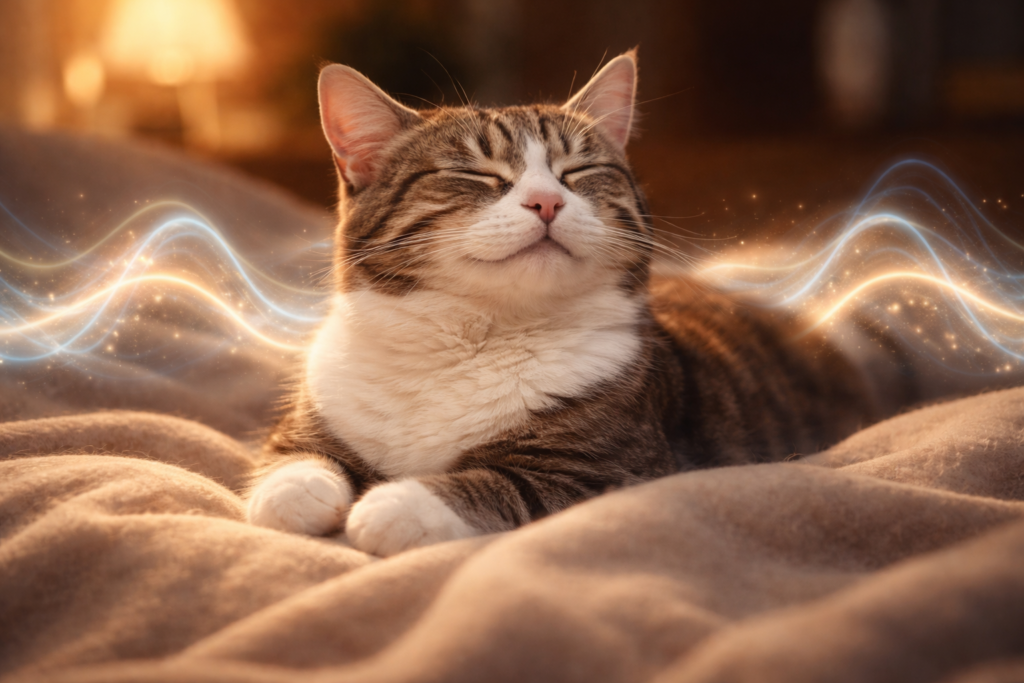
Purring is an important emotional part of the relationship between humans and cats, not just biology.
Why People Like Purring
Researchers have found that the low, steady vibration of a purr can help people relax and lower their stress levels. A lot of people say that listening to a cat purr makes them feel less anxious. This could be why cats are often used in therapy.
A Win-Win Situation
Both cats and people benefit when cats purr. The cat calms itself down and lets the person know that it is safe, while the person feels better emotionally. Over time, this exchange builds trust and connection between the two people.
When Purring Should Make You Pay More Attention
Purring is usually normal, but there are times when it needs to be watched more closely.
Signs That Purring Could Be a Problem
If your cat is purring and doing any of the following, see a vet:
- Tiredness
- Not wanting to eat
- Hiding or pulling away
- Changes in how the cat uses the litter box
- Signs of pain or discomfort
Cats are very good at hiding when they are sick, and purring can sometimes be part of that.
The Deeper Answer to Why Cats Purr
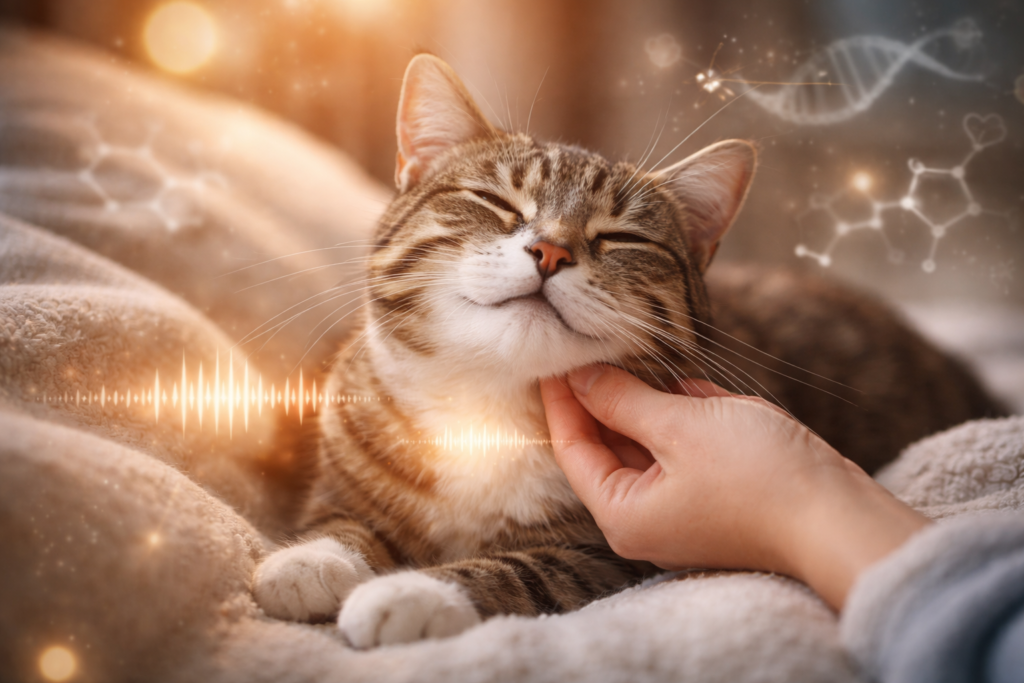
So, what makes cats purr? The answer is layered and very complicated.
Cats purr to show that they are happy, to talk to each other, to bond, to calm down, and maybe even to heal. This one action has emotional, social, and physical effects that have changed over thousands of years.
To understand purring, you have to see cats as more than just pets. They are highly tuned biological beings that interact with their world in complex ways. When your cat curls up next to you and starts to purr, you’ll know it’s more than just a sound—it’s a sign of trust, balance, and a survival mechanism that has been around for a long time and works just as nature intended.
One of the most amazing things about how animals take care of themselves and connect with us at the same time is that gentle vibration.
Get Decode Your Cat — free.
20 everyday behaviors translated, so you finally know what your cat is actually saying. Pop in your name and email and it's yours instantly.