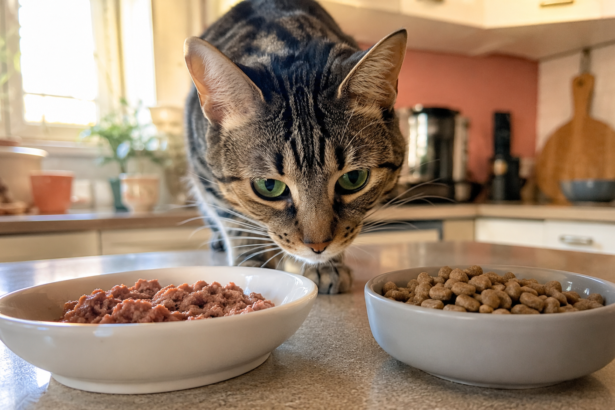


Owning a cat is one of the best things you can do in life. Cats add love, personality, and quiet company to any home. But for first-time cat owners, it can be hard to know what to get ready for, what to expect in the first few weeks, and how to keep your cat healthy and happy for a long time.

Ten focused guides, vet-reviewed, zero fluff. Loved this article? See what's inside.
See What's Inside →This New Cat Owner Starter Guide: Everything You Need to Know is a complete, timeless guide for people who are new to having a cat. This guide’s tips will still be useful for years to come, whether you’re getting a playful kitten or an older rescue cat. They are based on advice from veterinarians, behaviorists, and other cat owners who have been there.
1. What to Get Before You Bring Home a Cat

Setting up the right environment and supplies before your new cat arrives will help the transition go smoothly. Cats don’t like change, so it’s important to get ready.
1.1 Important Items
Here’s a list of things every new cat owner should get ready ahead of time:
1. A Litter Box and Litter
- The box should be 1.5 times the length of your cat from nose to tail.
- Covered boxes give cats privacy, but open boxes might not scare shy cats as much.
- Type of litter: Most people prefer unscented clumping litter. Strong scents can make cats not want to use the litter box because their noses are sensitive.
- Quantity rule: The “one per cat plus one” rule is the best way to go. Even if you only have one cat, having two boxes can help keep them from fighting over territory.
2. Bowls for Food and Water

- Choose ceramic or stainless steel bowls. They last longer, are easier to clean, and are less likely to hold bacteria.
- Don’t use plastic because it can give cats chin acne.
- Many cats like running water and drink more when it’s available, which can help keep them from having urinary problems. You might want to buy a cat water fountain.
3. Good Food for Cats
- Pick food that is good for their age and has the right amount of nutrients.
- Look for kitten formulas that are high in protein and fat to help them grow.
- Adult cats need maintenance diets, and older cats do better with joint support and ingredients that are easy to digest.
- Before making big changes to your dog’s diet, talk to your vet. Consistency is important for their digestive health.
4. Pads and Posts for Scratching
It is normal for animals to scratch. To keep your furniture safe and your claws healthy, give them a few different things to scratch on, like sisal, cardboard, or wood. There are both vertical and horizontal options to choose from.
5. Safe and Comfortable Places to Sleep
Cats like to rest in soft, warm places that are quiet. Put beds near windows so they can get natural light, or on high surfaces where they feel safe.
6. Toys and Fun
Feather wands, laser pointers, and treat puzzles are all examples of interactive toys that get kids moving and thinking. Change up the toys every week so they don’t get boring.
7. Carrier
For trips or visits to the vet, you need a strong carrier that lets air flow through it. It is easier to load and clean hard-sided carriers with removable tops.
8. Tools for Grooming
Brushing your cat’s hair every now and then is good for them, even if they have short hair. Long-haired breeds may need to be groomed every day to keep their hair from getting tangled. Pet wipes and nail clippers are also useful.
There's a calmer way — one library that answers it all. See it for yourself.
Explore the Library →2. Setting Up the First Week

The first week your cat is home is very important for them to get used to things. Cats are creatures of habit, so moving to a new place can make them anxious or withdrawn at first. The most important thing is to give stability, patience, and structure.
2.1 Make a Safe Room
Make one room quiet so your cat can spend the first few days there. Make sure to include the basics, like a litter box, food, water, toys, and a comfy bed. Once your cat feels comfortable, let them explore other rooms little by little.
2.2 Let Your Cat Explore on Their Own Terms
Don’t make people interact. Stay still in the room and let your cat come to you when it’s ready. Don’t move suddenly and speak softly. This builds trust better than picking them up too soon.
2.3 Keep a Regular Schedule
Every day, give your cat food at the same times. Having a regular schedule can help you feel less stressed and build good habits more quickly.
If you have other pets, keep them apart at first. Before letting them meet in person, slowly introduce them by scent by trading blankets or toys.
2.4 Be Aware of Signs of Stress
Hiding, not eating, or grooming too much are all signs of stress. Give them quiet comfort and time. It usually takes one to two weeks for cats to get used to things.
2.5 Set Rules Early
From the start, make a list of what your cat can and can’t do, like whether or not they can be on counters or in bedrooms. Being consistent now will help avoid confusion later.
3. Visits to the Vet and Shots

Taking your cat to the vet on a regular basis is the most important thing you can do for their long-term health. Even if your cat seems healthy, you should take it to the vet within the first week or two after you get it.
3.1 The First Checkup
During your first visit, your vet will:
- Do a full physical exam
- Look for worms, fleas, or ear mites
- Check for feline leukemia (FeLV) and feline immunodeficiency virus (FIV)
- Talk about nutrition, spaying/neutering, and behavior issues
- Bring any papers from the shelter or breeder that you need to look at
3.2 Basic Vaccines
Most veterinarians say that all cats should get the following vaccines:
- The FVRCP vaccine protects against calicivirus, feline viral rhinotracheitis, and panleukopenia
- Rabies vaccine: Required by law in many places
- FeLV vaccine: This is a good idea for cats that go outside or live with other cats
Around 6 to 8 weeks old, kittens usually get their first shots. They then get boosters every few weeks until they are 16 weeks old. Adult cats need boosters every so often.
3.3 Neutering and Spaying
Spaying or neutering stops unwanted litters and helps keep pets from roaming, spraying, and being aggressive. Most vets say that surgery should happen when the dog is 5 to 6 months old, but this can change depending on the dog’s breed and health.
3.4 Care to Keep You Healthy
Regular checkups, at least once a year, can help find common health problems like dental disease, obesity, or kidney problems early on.
Talk to your vet about:
- How to keep fleas and ticks away
- Heartworm protection (important for indoor cats too)
- Cleaning your teeth
- Plans for managing weight
3.5 Picking the Right Vet
Find a vet who:
- Has worked with cats before
- Encourages questions and makes treatment options clear
- Has exam rooms and waiting areas that are only for cats
If you trust your vet, they will take care of your cat for the rest of their life.
4. The Basics of Litter Training

Most cats naturally use a litter box, so litter training is usually one of the easiest things about having a cat. But success depends on setting things up correctly and sticking with them.
4.1 Getting the Litter Box Ready
Put the litter box in a quiet, low-traffic place that is easy to get to but also private. Don’t put it close to food or water dishes.
Put one box on each level of your multi-story home to keep accidents from happening.
4.2 How to Use the Litter Box
After meals, naps, or playtime, show your cat the box. Put them in there gently so they know where to go. Most cats pick things up quickly.
4.3 How to Clean
At least once a day, scoop out the litter and change it all out once a week. Use mild soap and water to clean the box. Strong cleaners or bleach can make people not want to use it.
It is very important to have a clean box. Cats are picky and may not use dirty boxes, which can lead to them going to the bathroom in the wrong place.
4.4 Fixing Problems with the Litter Box
If your cat suddenly stops using the litter box:
- Make sure that medical problems like kidney disease or urinary tract infections are not the cause.
- Check the type of litter or the cleanliness of the box. Some cats don’t like litter that smells or is rough.
- Look at what causes stress. Avoidance can happen because of a new pet, loud noise, or a change in the house.
If the problem keeps coming back, talk to your vet or a cat behaviorist.
4.5 Helping People Make Good Choices
When your cat uses the litter box correctly, give them a small treat or praise. Punishment only makes people scared or anxious, so positive reinforcement works better.
5. Mistakes That Are Common to Make

Even when they mean well, new cat owners can sometimes make mistakes that hurt their pet’s health. Knowing what not to do is just as important as knowing what to do right.
5.1 Not Going to the Vet on a Regular Basis
Cats are very good at hiding when they’re sick. Annual vet checkups find problems early, before they get worse or more expensive.
5.2 Too Much Food
One of the most common health problems in cats is being overweight. Always follow the feeding instructions and change the amount based on your cat’s age, weight, and level of activity. Don’t give too many treats or let your dog eat dry food all the time.
5.3 Using Strict Discipline
Don’t hit, yell at, or spray water on your cat. These methods make people scared and break trust. Instead, use toys or gentle deterrents to change unwanted behavior.
5.4 Not Adding Enrichment
Cats that are bored might scratch furniture or act out. Your cat will stay mentally and physically active if you play with them regularly, give them places to sit by the window, and give them puzzle feeders.
5.5 Not Taking Care of Your Teeth
Most cats over the age of three have dental disease. Brushing your teeth every day, giving your dog dental treats, and having the vet clean your dog’s teeth all help keep infections and other health problems from happening.
5.6 Not Remembering Your ID
Even cats that live indoors can get away without warning. Microchipping and a secure ID tag on a breakaway collar greatly increase the chances of finding each other again.
5.7 Routine That Isn’t Always the Same
Cats do best when things are the same. Changes to feeding times, litter box locations, or the environment that happen all of a sudden can make your pet stressed or cause problems with their behavior. Try to stick to the same schedule every day.
5.8 Ignoring Changes in Behavior
A sudden change in how much you eat, how much energy you have, or how often you groom yourself could mean you’re sick or stressed. Keep an eye on your cat’s normal behavior so you can catch problems early.
6. Making a Strong Connection

The most important part of having a cat is the bond you make with it. Cats may seem like they don’t need people, but they really do. They trust and rely on their humans.
6.1 How to Read Cat Body Language
Learning how to “read” your cat makes it easier to talk to them:
- Trust and love are shown by slow blinking
- A tail up means you’re happy and confident
- Puffed tails or flattened ears are signs of fear or anger
Pay attention to their cues; forcing them to pay attention when they’re not ready can make things worse.
6.2 Time to Play and Talk to Each Other
Play with your cat in a way that involves them for 10 to 15 minutes twice a day. Imitate how animals hunt by stalking, chasing, and “capturing” toys. This meets instincts and stops bad behavior.
6.3 Time for Quality
Cats like being around people, even if they don’t always want to cuddle. Just being together—reading, watching TV, or working—makes them feel safe.
6.4 Training and Keeping Your Mind Active
Yes, cats can learn what to do when you tell them to. Use treats and clicker training to teach your dog basic commands like “come” and “sit.” It boosts their confidence and makes their surroundings better.
7. Care and Maintenance for Life

Taking care of a cat isn’t just something you do for the first few weeks; it’s a commitment that can last 15 to 20 years. Good habits that you start early will help you stay healthy and happy for a long time.
7.1 Food and Water
The dietary needs of your cat change as it gets older. Kittens need growth formulas with a lot of protein, adult cats need balanced maintenance diets, and senior cats often need help with their joints and kidneys.
Always give your pet fresh water, and think about getting a fountain to help them drink more.
7.2 Managing Your Weight
Check on your cat’s health on a regular basis. You should be able to feel your ribs but not see them. You should also be able to see your waistline from above. Change the size of the food portions as needed.
7.3 Regular Grooming
Brushing gets rid of loose hair, stops hair from matting, and cuts down on hairballs. Check your ears, teeth, and nails while you groom to catch problems early.
7.4 Enrichment of the Environment
Cats need places to hide, climb, and explore. Cat trees, wall shelves, and window perches are fun and good for exercise. To keep things interesting, change the toys and the play areas around every now and then.
7.5 Taking Care of an Older Cat
Older cats may sleep more and move more slowly, but they still need love and attention. Give them soft beds, litter boxes that are easy to get to, and take them to the vet every six months.
8. Myths About Cats That Are Common

There is a lot of wrong information out there about how to care for cats. Let’s clear up some common misconceptions that can lead new owners astray:
- Myth: Cats don’t need to be cared for.
Fact: They make strong connections and do well when they get love and routine. - Myth: Cats should drink milk.
Fact: Most cats can’t handle lactose, and milk can upset their stomachs. - Myth: Cats that live inside don’t need to see a vet.
Fact: Indoor cats still need vaccinations, parasite prevention, and regular checkups. - Myth: Cats always fall on their feet.
Fact: Cats can still get hurt from falling from a great height, even though they are quick. Make sure that windows and balconies are safe.
9. Last Thoughts: How to Be a Confident Cat Parent
Having a cat is a lifelong adventure full of love, laughter, and learning. In the beginning, you may have questions, but being patient and ready will pay off.
If you follow this New Cat Owner Starter Guide: Everything You Need to Know, you’ll make your home safe, fun, and loving for your cat.
Keep in mind that each cat is different and has its own personality. What works for one person might not work for another. Watch, listen, and change. You and your cat will find a rhythm that works for both of you over time.
With the right start, you’ll have years of purring companionship and unconditional love, which is what a happy, healthy cat-human bond is all about.

Get Decode Your Cat — free.
20 everyday behaviors translated, so you finally know what your cat is actually saying. Pop in your name and email and it's yours instantly.