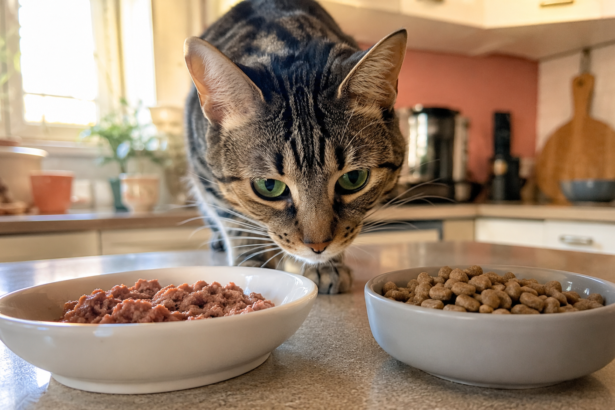



Cats are some of the most interesting and mysterious pets we can have in our homes. Millions of people around the world love them because of their expressive eyes, graceful movements, and curious personalities. But even the most devoted cat owner can sometimes be confused by what their cat does. Why does your cat knead your lap? Why does it sometimes scratch the furniture or run around the house at midnight?

Ten focused guides, vet-reviewed, zero fluff. Loved this article? See what's inside.
See What's Inside →Knowing how cats act is the key to getting closer to your cat. You can make your relationship stronger and more trusting by learning how to read their body language, feelings, and instincts.
This in-depth guide looks at the science and psychology behind why cats act the way they do and gives you useful tips you can use in your everyday life. You can use these timeless tips to help your cat feel safe, loved, and understood, whether you’re a new cat parent or have loved cats all your life.
1. How to Read Cat Body Language

Even though cats don’t talk, they always communicate with their bodies, faces, and even their tails. You need to learn how to read these small signs before you can really understand how cats act.
1.1 The Tail: A Look Into How You Feel
The tail of a cat is one of the most expressive parts of its body.
- Tail up: Friendly and sure of yourself. Your cat is happy and safe.
- Tail down or tucked: Scared or giving up. This usually means that someone is uncomfortable or anxious.
- Tail puffed up: Scared or on the defensive. The cat is trying to look bigger to scare off a threat.
- Tail slowly swaying: Either focused or a little annoyed. You might see this before a cat pounces playfully or when it’s watching its prey.
- Tail wrapped around you or another cat: Love and trust.
Knowing how to read these signs can help you avoid misunderstandings. For example, knowing when a cat is too excited and when it wants to play.
1.2 The Eyes: The Quiet Talkers
You can tell a lot about a cat’s mood by looking at its eyes:
- Slow blinking: Also known as a “cat kiss,” it is a sign of trust and love. To show love, try blinking slowly back.
- Pupils that are bigger than normal: Could mean excitement, fear, or arousal. Context is very important. Wide pupils are normal when playing, but they show stress when fighting.
- Narrow pupils: Show focus or anger.
Cats often use eye contact to their advantage. People may see long stares as a challenge, but short, relaxed glances show that they are at ease.
1.3 Ears and Whiskers: The Small Signs
- Ears pointing forward: Alert and interested.
- Ears that are flat: Fear, anger, or irritation.
- Rotating ears: Paying close attention to what’s going on around them.
Whiskers also send messages. Whiskers that point forward usually mean curiosity, while whiskers that are pulled back mean fear or stress.
The complete cat-care shelf — from choosing your cat to lifelong mastery.
See What's Inside →1.4 Body Language and Sounds
A cat’s body position shows how it feels:
- Back arched and fur raised: Scared or defensive.
- Crouched posture: Ready to attack or scared.
- Relaxed body: Happy and at ease.
Some cats are very talkative, while others are very quiet. Some common sounds are:
- Purring: Usually means happiness, but it can also mean soothing oneself when scared or hurt.
- Meowing: Talking to people, usually to get their attention, food, or company.
- Hissing or growling: A sign to back off.
You can figure out what your cat is trying to say by looking at and listening to it at the same time.
2. Why Cats Scratch, Knead, or Bite
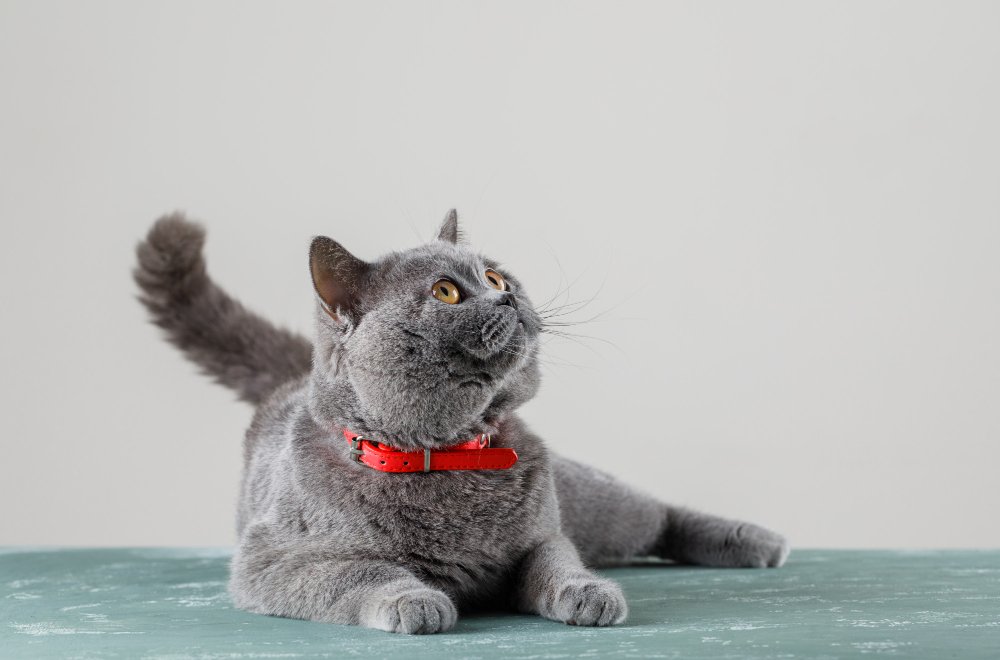
These are some of the most common cat behaviors, but they are also some of the most misunderstood. Each one has strong ties to instinct, comfort, and communication.
2.1 Why Do Cats Knead?
It’s not just a cute habit if your cat presses its paws on your lap or a blanket in a rhythmic way. Kneading is a behavior that starts when a cat is a kitten.
Kittens knead their mother’s stomach to get the milk to flow. Cats keep doing this as adults to show comfort, love, or mark their territory. Their paws have scent glands that let out pheromones that say “this is mine.”
You might see your cat kneading before it lies down. This is like how wild cats pat down grass or leaves to make a soft place to sleep.
Tip: If kneading hurts, put a soft blanket on your lap instead of stopping it. Your cat is showing you love by doing this.
2.2 Why Cats Bite
Cat bites can be soft nibbles or sharp warnings. It’s very important to know the context.
- Play bites: Common in kittens and young cats who are testing their limits. They act like they’re hunting.
- Overstimulation bites: Some cats only like to be petted for a little while. They might lightly bite to say “stop” when they’re done.
- Fear or pain bites: When a cat feels trapped or hurt, it will react defensively.
What to do: Don’t punish your cat; it doesn’t understand punishment the same way people do. Instead, teach your cat to bite the right toys and learn how much they can handle when you pet them.
2.3 Why Do Cats Scratch?
There are many reasons to scratch:
- Sharpening claws and getting rid of dead nail layers.
- Stretching out muscles and easing stress.
- Using scent glands in their paws to mark their territory.
It’s not because your cat hates you that it scratches furniture; it’s just how they are. Put scratching posts made of materials that cats like, like sisal or cardboard, in places where your cat spends a lot of time.
A good tip: Praise and reward your cat when it uses the scratching post. Don’t declaw your cat because it will cause pain and behavior problems for a long time.
3. Behavior in the Litter Box

You can learn a lot about a cat’s health and mental state by how it uses its litter box. The cleanliness, placement, and type of litter are all very important.
3.1 What Causes Problems with Litter Boxes
Some common reasons for inappropriate elimination are:
- Medical problems: Urinary tract infections, kidney disease, or arthritis.
- Dirty litter boxes: Cats are very picky and will often not use a dirty box.
- Changes in the home or the arrival of new pets: Can make people anxious.
- Wrong type of litter or box: Some cats like certain sizes or textures better than others.
If your cat suddenly stops using the litter box, you should take it to the vet to make sure it’s not sick.
3.2 Best Practices for Litter Boxes
- One box for each cat, plus one extra: Stops fights over territory.
- Scoop every day and change the litter every week to keep it clean and smell-free.
- Pick a place that is quiet and private. Don’t go to loud places like laundry rooms.
- Don’t use scented litter because many cats don’t like fake smells.
Being consistent is important. Don’t change things around too often once a cat has found a comfortable spot.
3.3 The Link Between Stress and the Litter Box
One of the main reasons cats avoid the litter box is stress. Cats do best when things stay the same, so even small changes can change how they act. Accidents can happen when you move, get a new pet, or rearrange your furniture.
Make sure each cat has its own safe space and use calming aids like pheromone diffusers.
4. Signs of Anxiety and Boredom
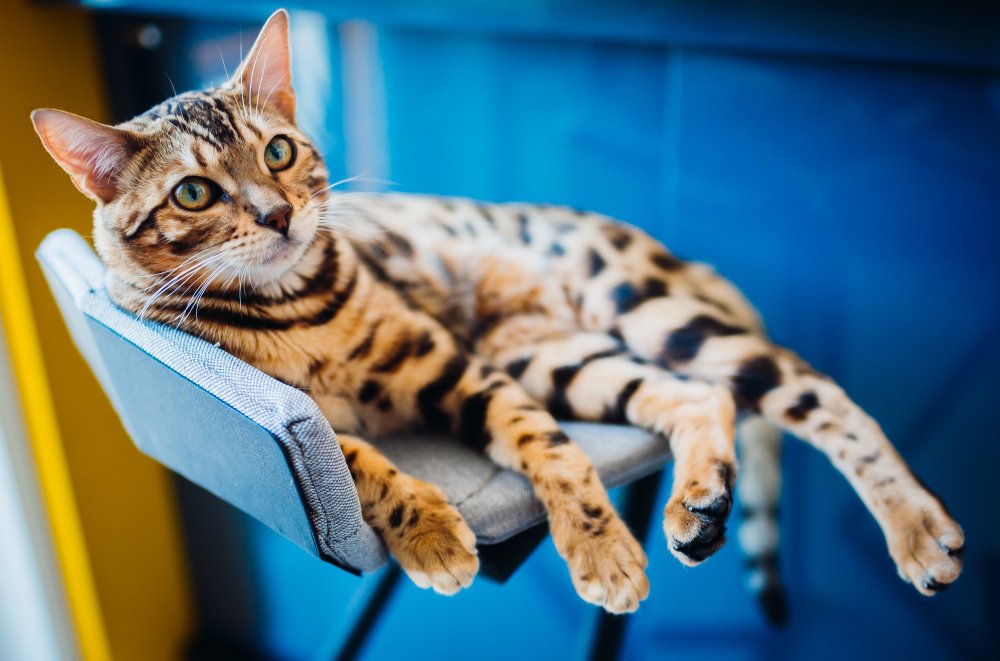
Cats, like people, have good and bad emotional times. Changes in behavior that owners often misinterpret as “bad behavior” can be caused by anxiety and boredom.
4.1 How to Tell When Your Cat Is Anxious
Some common signs are:
- Staying out of sight more than usual
- Too much grooming or losing fur
- Less appetite
- Anger or irritability
- Going to the bathroom outside of the litter box
Loud noises, new pets, new people, or changes in the environment can all make you anxious.
What to do to help:
- Keep a schedule that you can count on.
- Give them safe places to hide and places to climb, like cat trees.
- Pheromone sprays can help make the space calm.
- Give comfort without making people talk to you.
If your pet is very anxious, you should talk to your vet. They may need medical or behavioral therapy.
4.2 Recognizing Boredom and Lack of Stimulation
Cats are natural hunters and explorers. When kept inside without enough to do, boredom can cause:
- Scratching or chewing that is harmful
- Too much food
- Too much sleep
- “Zoomies” at strange times
- Knocking things off of surfaces to get attention
4.3 Ways to Keep Kids from Getting Bored
To keep people from getting bored, give them chances to be active both physically and mentally:
- Interactive play: Use feather teasers, laser pointers, and wand toys for short play sessions every day.
- Puzzle feeders: Help with problem-solving and slow down eating.
- Window perches: Give your pet a place to sit and look outside to keep their mind active.
- Cat trees and climbing shelves: Give them the vertical space they need.
- Regularly changing out toys: Keeps playtime new and fun.
A more interesting environment not only keeps your cat from getting bored, but it also boosts their confidence and mental health.
5. How to Help People Build Good Habits

To get your cat to behave better, you need to know what motivates them and use consistent, gentle reinforcement. Not punishment, but trust and patience work best on cats.
5.1 Positive Reinforcement
Training based on rewards is the most important part of changing behavior:
- When your cat does what you want, give it a treat, praise, or playtime.
- Mark good actions with a clicker or a word of mouth.
- Make sure that training sessions are short and fun.
For instance, if you’re teaching your cat to use a scratching post, give it a treat every time it uses the post instead of the furniture.
5.2 Staying Away from Negative Reinforcement
Yelling, spraying water, or hitting someone can make them scared and untrustworthy. Cats don’t connect punishment with certain actions; they just learn to be afraid of you. Instead, gently steer unwanted behavior in a different direction and reward good behavior.
If your cat jumps on counters, give it a different place to sit nearby and reward it when it uses that spot instead.
5.3 Setting Up Routines
Cats do well with routines. You should feed, play with, and groom your pet at the same times every day. Consistency makes people feel safe, which lowers behaviors that are linked to anxiety.
For example, play before meals to mimic hunting and reward cycles, and then have some quiet time to bond. This is like how cats move in the wild.
5.4 Making a Safe and Interesting Place
A well-designed home environment encourages cats to act naturally:
- Give them more than one scratching post, place to rest, and place to hide.
- Make sure there is always clean litter boxes and fresh water.
- Give kids places to explore both up and down.
- Make sure the house is calm and predictable.
5.5 Building Trust by Understanding
Trust is the most important thing in any relationship between a cat and a person. Don’t force your cat to interact with you; let them show affection when they want to. Over time, regular care and respect will make your bond stronger and reduce behavioral problems.
6. Things People Get Wrong About How Cats Act
Even though a lot of people like cats, they are often misunderstood. Getting rid of myths helps people get along better.
6.1 “Cats Are Standoffish”
Cats are actually social, but in their own way. They get very attached to you, but they show their love in small ways, like by following you around, blinking slowly, or sitting close by.
6.2 “Cats Act Up Because They Want To”
Cats don’t act out to get back at you. Stress, boredom, or unmet needs are often what cause people to act “badly.” The first step to finding a solution is to figure out what caused the problem.
6.3 “You Can’t Train Cats”
Cats are very smart and can be trained with positive reinforcement. A lot of them can learn to come when you call them, use puzzle toys, or even walk on a leash.
7. Understanding Each Other to Build a Lifelong Bond
It’s not about control; it’s about connection when you understand how cats act. Genetics, environment, and experiences all play a role in how each cat acts. Over time, watching and responding in the right way will make your relationship stronger.
7.1 The Strength of Seeing
Take some time to watch your cat’s habits, like when it eats, sleeps, and plays. You will start to notice signs that someone is happy, stressed, or in pain. Being aware of their needs lets you respond before they ask.
7.2 Regular Veterinary Care and Mental Health
Changes in behavior are often signs of health problems. Regular visits to the vet keep your cat’s body healthy, and a stable home life helps their mental health.
7.3 The Real Keys to Harmony Are Patience and Understanding
It can take cats a while to get used to new people, places, or routines. Being patient and understanding will help them feel safe. Keep in mind that trust is earned, not forced.
8. Timeless Advice for Cat Owners from Experts
Here are the basic rules for taking care of and talking to cats:
- Before you react, think about why someone did something.
- Keep things the same: Cats do best when things are the same.
- Give them something to do every day, like play, climb, and explore. This keeps them from having behavior problems.
- Give cats their space and let them decide how much affection to give.
- Reward good behavior to build trust and help people learn.
- When you need help, don’t be afraid to ask for it. Behaviorists and veterinarians can help you figure out what’s wrong.
These strategies are always useful because they are based on how cats think and act, not on passing fads.
9. Conclusion: The Art of Understanding How Cats Act
It takes a lifetime to learn how cats act. The stronger your bond with your cat gets as you learn more about how they think, feel, and talk. Cats aren’t hard to understand on purpose; they just have their own way of seeing the world and speaking.
You can help your cat thrive by understanding their language, respecting their space, and encouraging their natural instincts. Every action, from a soft purr to a playful knead to a flick of the tail, has meaning, and every moment is a chance to connect.
So the next time your cat does something strange, stop and watch and ask:
“What’s my cat trying to say to me?”
The key to a happier, more peaceful life together is to understand the answer.
Get Decode Your Cat — free.
20 everyday behaviors translated, so you finally know what your cat is actually saying. Pop in your name and email and it's yours instantly.